
Should You Book Kyoto Temple Tickets in Advance?
Many travelers assume that visiting temples in Kyoto does not require advance planning. While some smaller temples allow walk-in access, many of the city’s most famous attractions now experience heavy visitor demand, especially during the cherry blossom and autumn foliage seasons. Long lines, timed entry systems, and seasonal crowd surges can significantly affect your sightseeing schedule. Understanding which Kyoto attractions require advance booking helps you avoid unnecessary waiting and structure your day more efficiently.
This guide explains when booking temple and attraction tickets in advance makes sense and when same-day entry is still practical.
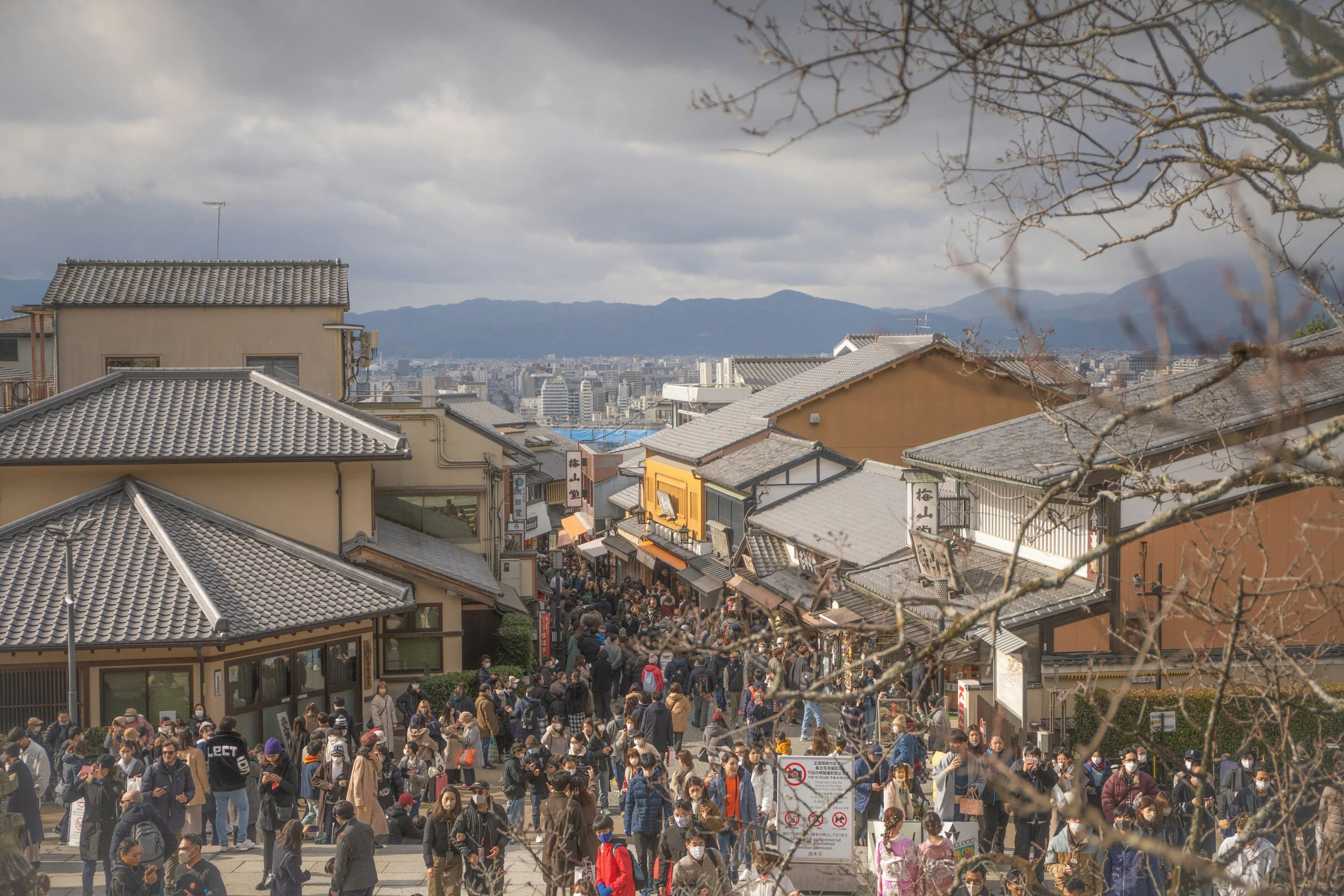
What Actually Affects Ticket Availability in Kyoto
Several factors determine whether booking tickets in advance is worthwhile.
Seasonal Demand
Cherry blossom season (late March to early April) and autumn foliage season (November) attract the largest visitor numbers.
Attractions near Arashiyama, Higashiyama, and central Kyoto often experience peak demand during these periods.
Tour Group Volume
Large tour groups often reserve entry slots in advance.
This can reduce same-day availability for individual travelers.
Opening Hours
Some temples operate shorter opening hours during the winter months.
Arriving late in the day may limit access.
Location Popularity
Highly photographed locations such as Arashiyama or Fushimi Inari experience consistent visitor traffic throughout the day.
When Booking Tickets in Advance Makes Sense
Pre-booking tickets is the most efficient option when:
You are visiting during cherry blossom or autumn foliage season
You have a limited schedule in Kyoto
You plan to visit the most popular temples during mid-morning hours
You want to avoid ticket lines during busy periods
Booking through platforms such as Tiqets or Klook allows travelers to reserve entry tickets in advance and sometimes access timed entry slots.
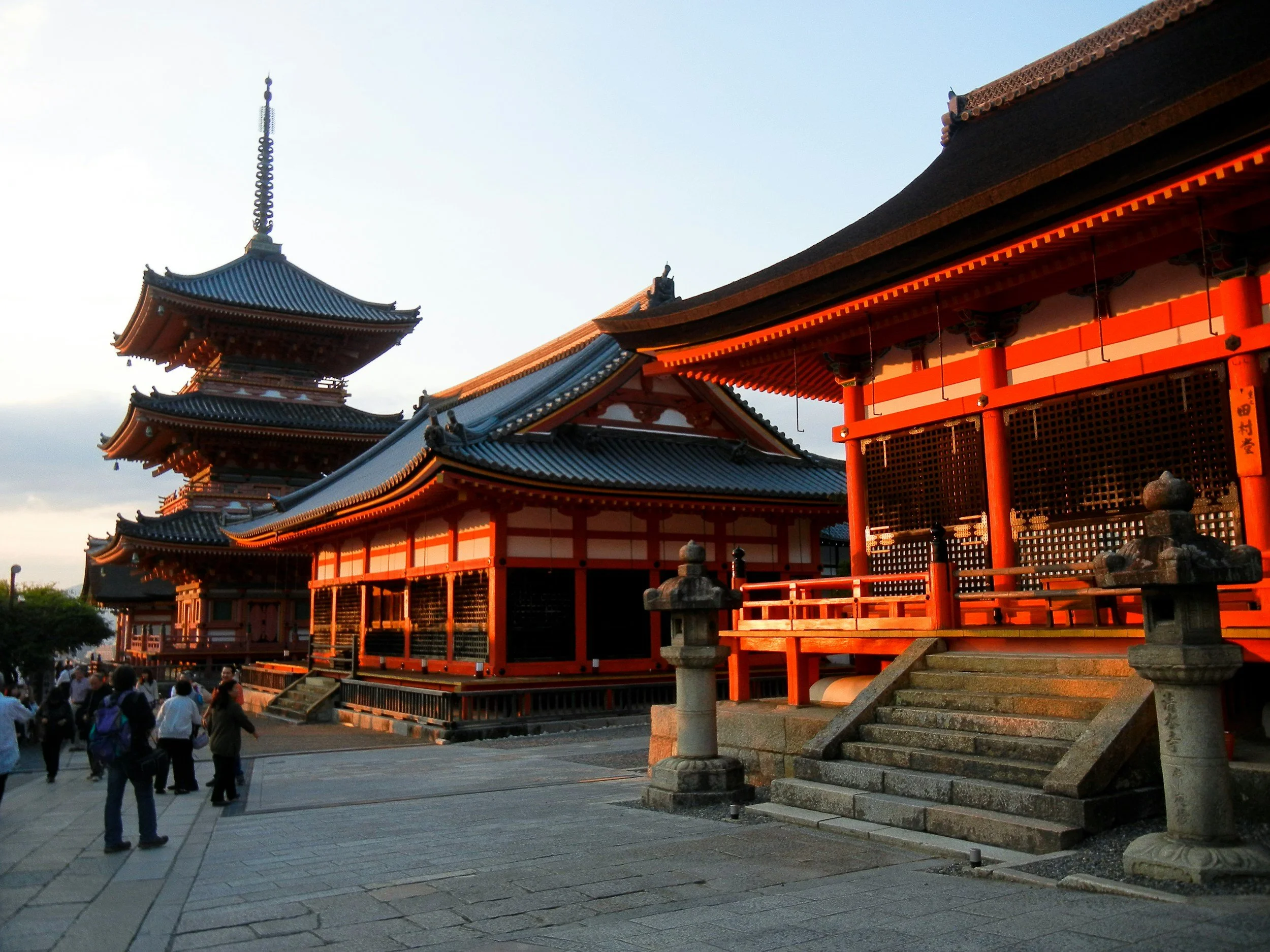
When Same-Day Entry Still Works
Many Kyoto temples still allow same-day entry, especially early in the morning.
Walk-in visits usually work when:
You arrive shortly after opening hours
You visit smaller temples outside major tourist districts
You travel during winter or early summer
Flexible travelers who are comfortable adjusting their schedule may not need advance reservations for every attraction. However, even in quieter seasons, the most famous sites still attract large visitor numbers.
Typical Ticket Prices in Kyoto
Temple entrance fees in Kyoto are generally affordable.
Most temples charge between 400 and 800 JPY for entry.
Large temple complexes or landscaped gardens may charge up to 1000 JPY.
Guided tours and bundled attraction tickets can cost more depending on what is included.
Common Mistakes Travelers Make
Assuming every temple requires advance booking
Arriving at major attractions during midday peak hours
Trying to visit too many temples in one day
Underestimating travel time between districts
Ignoring seasonal crowd patterns
Efficient Kyoto itineraries usually group temples by district rather than crossing the city multiple times.
Practical Recommendation
If you are visiting Kyoto during the cherry blossom or autumn foliage season, booking tickets in advance for the most popular temples is a practical way to avoid long lines. Advance reservations are especially useful if your itinerary includes multiple major temples in the same day.
Platforms such as Tiqets or Klook allow travelers to check availability and secure entry times before arriving in Kyoto.
Conclusion
Kyoto remains one of Japan’s most accessible cultural destinations, but visitor numbers continue to increase each year. Advance ticket booking is not required for every temple, but it can significantly improve your experience at the city’s most visited sites. Balancing advance reservations with flexible exploration allows you to see Kyoto’s highlights without spending unnecessary time waiting in lines.
Continue Planning Your Kyoto Trip
If you are still organizing your visit, our Kyoto Travel Guide explains the best areas to stay, major temples to visit, and practical planning tips.
