
Rome, Italy Travel Guide
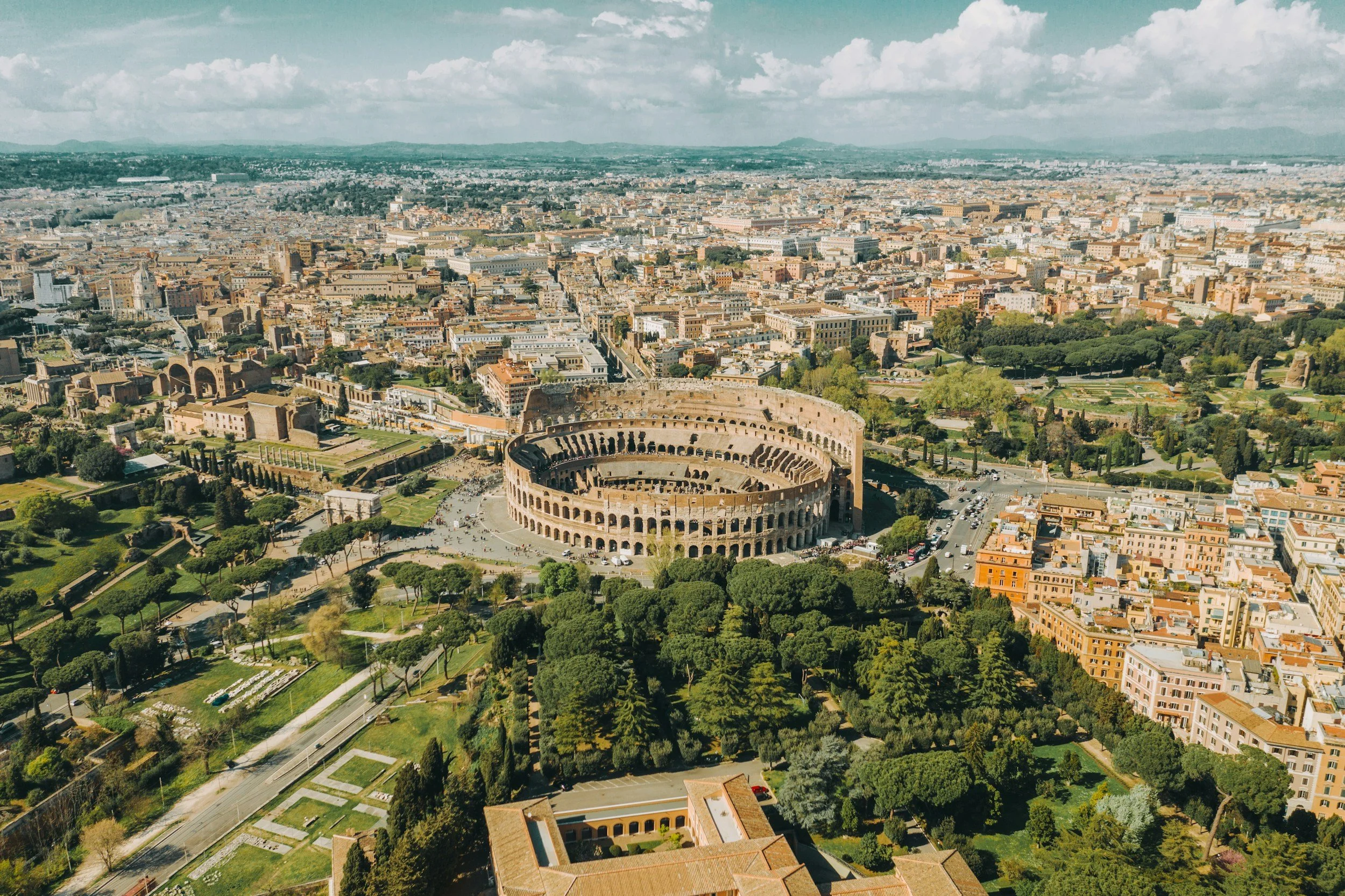
Rome, Italy is one of Europe’s most historically layered capitals, known for ancient ruins, Renaissance art, Baroque fountains, and Vatican landmarks. This Rome travel guide covers where to stay, how to get there, the best Colosseum and Vatican tours, and practical planning tips to help you structure your visit efficiently.
Best Time to Visit Rome
Rome has a Mediterranean climate with hot summers and mild winters.
Spring: April to June
Pleasant temperatures.
Ideal for walking tours and outdoor sightseeing.
High demand for Vatican and Colosseum tickets.
Summer: July to September
Hot temperatures, often above 30°C.
Peak tourism season.
Long daylight hours.
Autumn: October to November
Comfortable weather.
Fewer crowds than in summer.
Good balance for museums and outdoor exploration.
Winter: December to March
Mild compared to northern Europe.
Shorter lines at major attractions.
Occasional rain.
How to Get to Rome
Main Airport
Rome is served by Leonardo da Vinci International Airport, Fiumicino (FCO).
Distance to city center: approximately 30 km.
Driving time: 35 to 50 minutes, depending on traffic.
Secondary Airport
Ciampino Airport (CIA) handles many low-cost European flights and is closer to the city.
Distance to city center: approximately 15 km.
Driving time: 20 to 30 minutes, depending on traffic.
Most international travelers arrive at Fiumicino Airport.
Airport to City Transport
Train
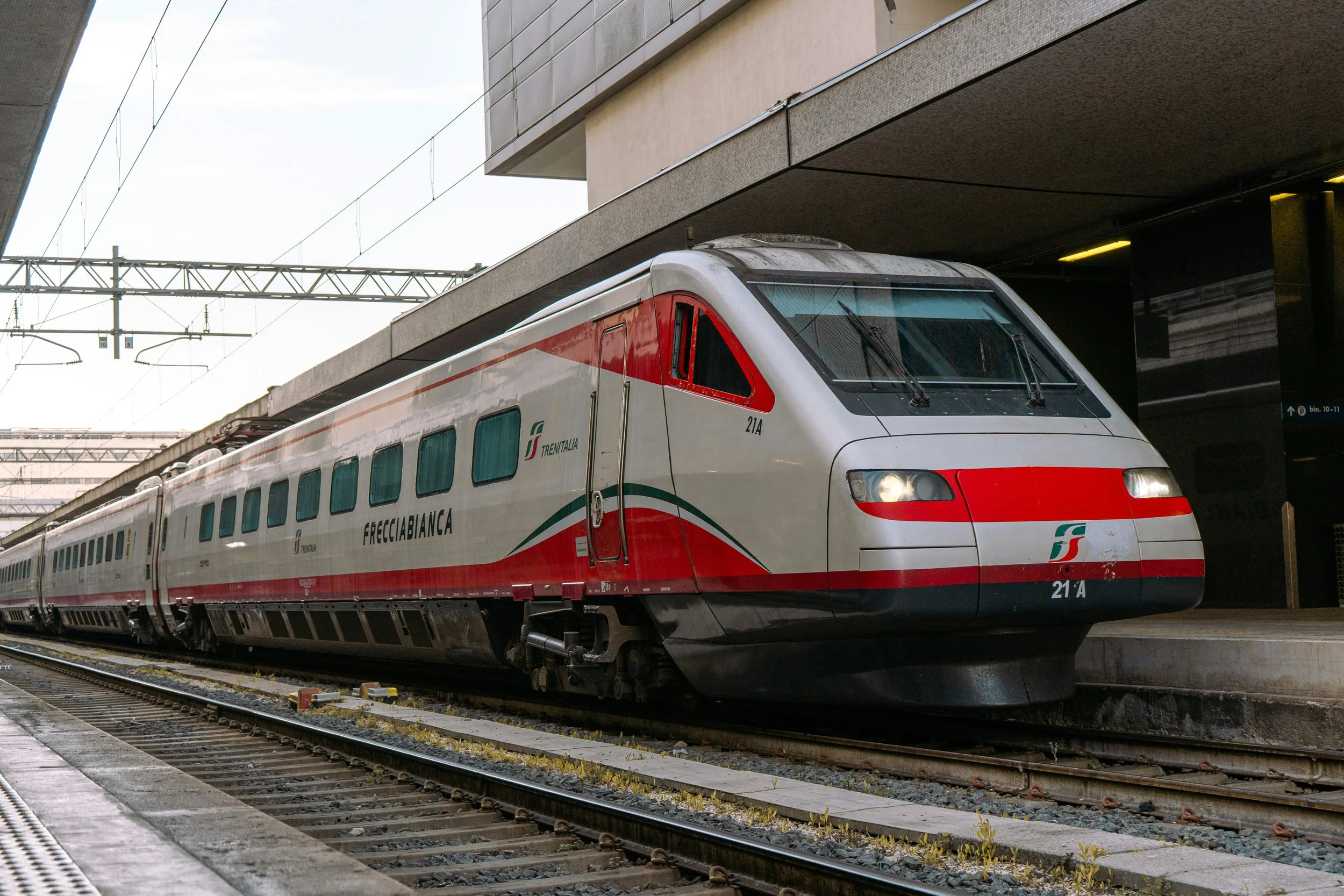
The Leonardo Express connects Fiumicino Airport directly to Roma Termini station.
Travel time: Between 30 to 32 minutes.
Cost: around EUR 14.
This is the fastest option for travelers staying near Termini.
Regional FL1 trains connect to Trastevere and other stations at a lower cost.
Airport Bus
Airport buses operate between Fiumicino and central Rome.
Travel time: 45 to 60 minutes
Cost: approximately EUR 6 to 8
Lower cost but dependent on traffic.
When a Private Transfer Makes Sense
A pre-booked private transfer, such as Welcome Pickups, and Kiwitaxi is useful if:
You are traveling with a large amount of luggage.
You are traveling with luggage on a short stay.
You are staying outside central Rome.
You want a direct hotel drop-off.
Where to Stay in Rome
All hotels listed below are centrally located and highly rated. Prices vary significantly by season, especially in spring and summer.
Budget Hotels in Rome
New Generation Hostel Rome Center
A modern hostel about a 10-minute walk from Termini Station. It offers dorm beds and private rooms, making it a good option for groups of friends who want a social environment while keeping costs low.
Average price: $40–90 per night
Hotel Smeraldo
Well located near Campo de Fiori and Piazza Navona.
Price range:
EUR 120 to 190 per night
Mid-Range Hotels in Rome
Hotel Artemide
Popular choice near Via Nazionale with a rooftop terrace.
Price range:
EUR 140 to 250 per night
The Fifteen Keys Hotel
Boutique-style hotel in the Monti district.
Price range:
EUR 220 to 350 per night
Luxury Hotels in Rome
Anantara Palazzo Naiadi Rome Hotel
Five-star hotel in the heart of Rome.
Price range:
EUR 500 to 750+ per night
Rome Cavalieri Waldorf Astoria
Hilltop property with panoramic city views.
Price range:
EUR 450 to 800+ per night
Tours to take in Rome
Colosseum, Roman Forum, and Palatine Hill Guided Tour
This structured Rome tour covers the city’s most important ancient landmarks with priority access and historical context. It is ideal for first-time visitors who want to understand Rome’s imperial history without having to navigate independently.
Tour includes:
Skip the line entry to the Colosseum
Guided walk through the Roman Forum
Visit to Palatine Hill overlooking the Forum
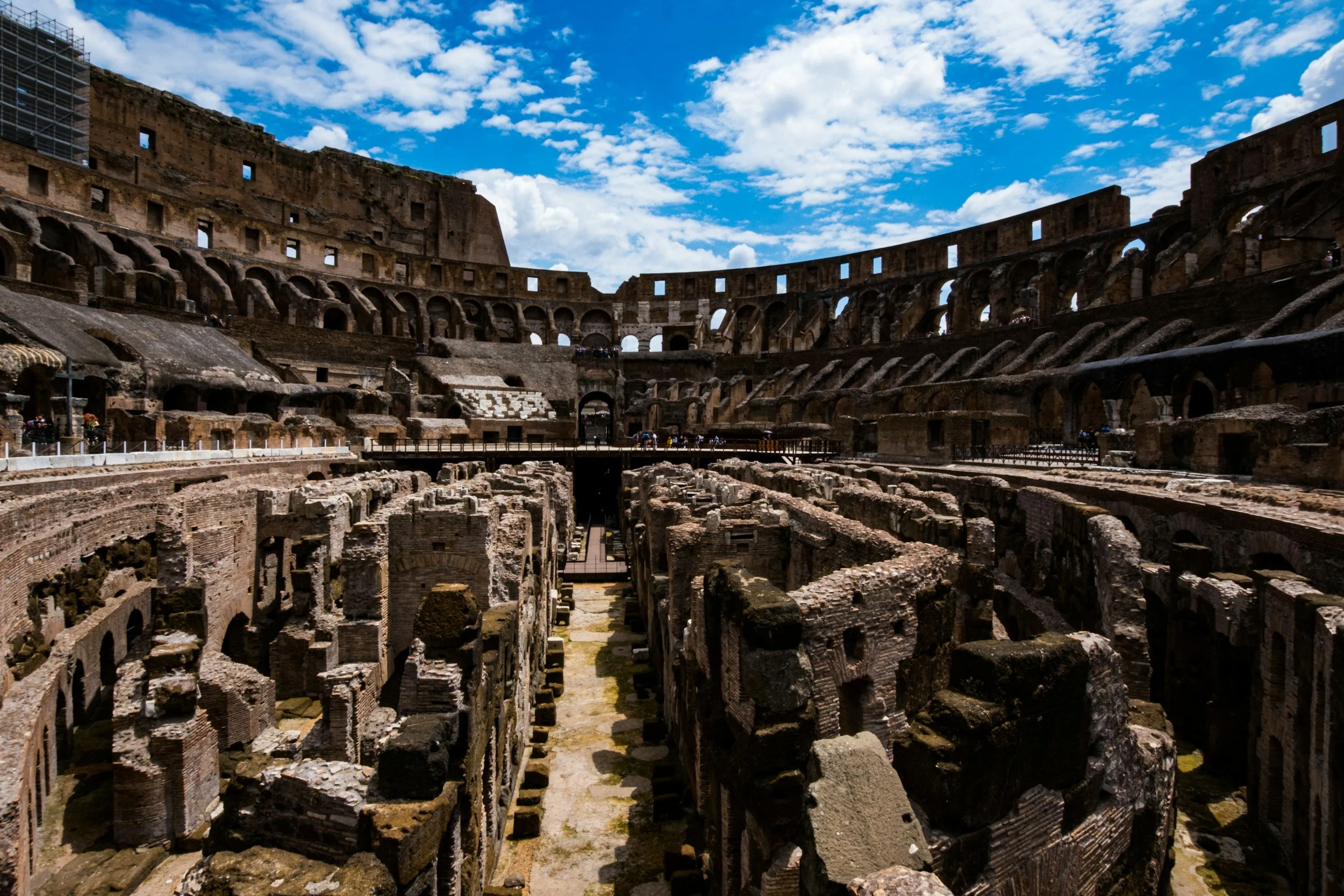
The experience begins at the Colosseum, where your guide explains the structure’s engineering, gladiator contests, and its role in Roman public life. From there, you continue to Palatine Hill, traditionally regarded as the birthplace of Rome and home to imperial palaces. The tour concludes in the Roman Forum, once the political and social center of the empire. Walking along the Via Sacra, you gain insight into Roman governance, mythology, and daily life, placing major historical events into clear context.
Vatican Museums, Sistine Chapel and St Peter’s Basilica Tour
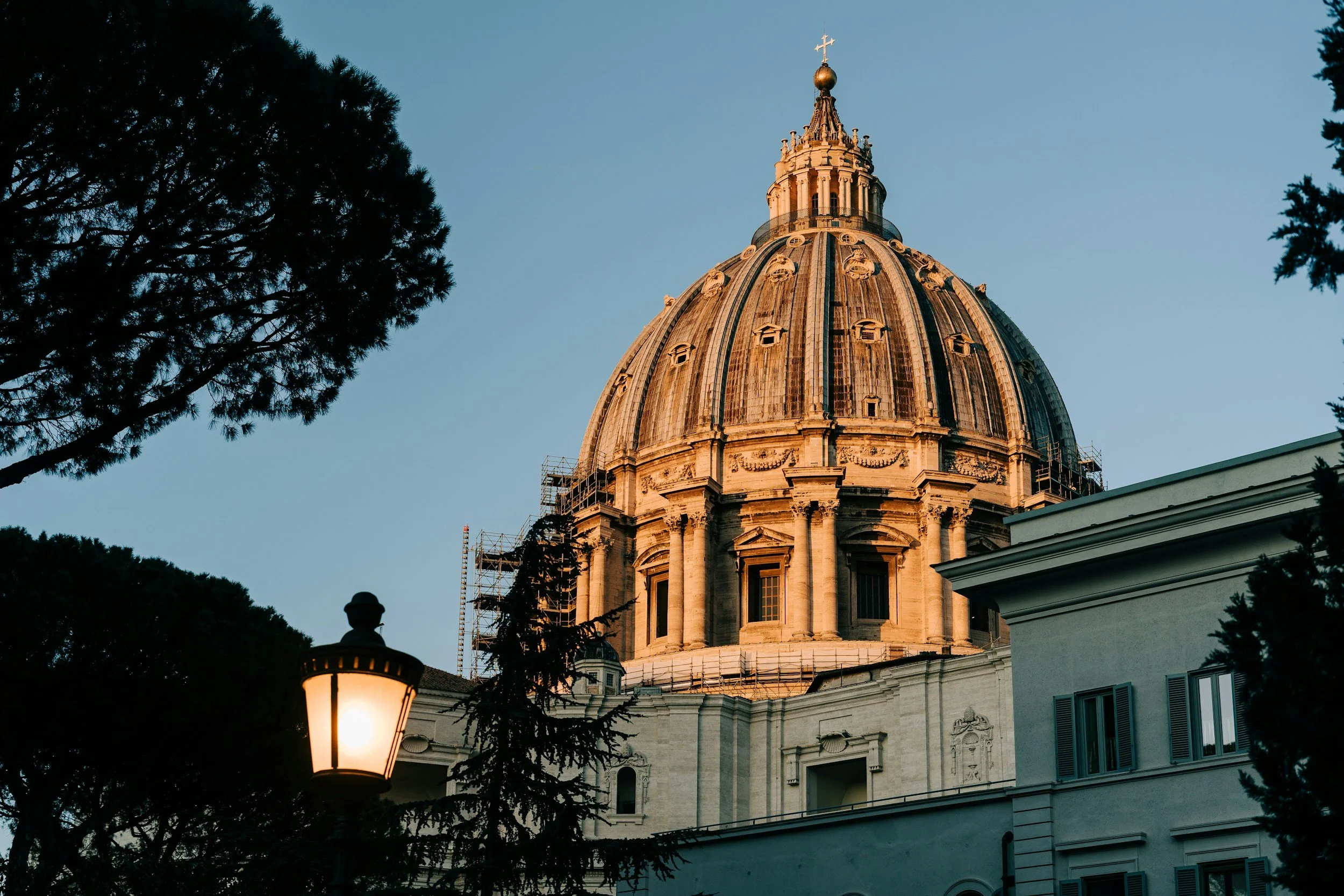
This guided Vatican tour provides priority access through the official Vatican Partner Entrance, allowing quicker entry to one of the most visited museum complexes in the world. It combines structured navigation, historical context, and access to key highlights within a limited group setting.
Tour includes:
Priority access to the Vatican Museums
Visit to the Sistine Chapel
Entry to St Peter’s Basilica
Throughout the tour, your guide provides context behind major Renaissance masterpieces, explaining their historical background, artistic techniques, and long term cultural impact. The smaller group size allows for clearer communication and smoother movement through high traffic areas.
Trastevere Food Tour in Rome
This Rome food tour focuses on authentic local cuisine through structured tastings at established neighborhood eateries. It combines culinary exploration with cultural context, offering insight into the ingredients and traditions that define Roman gastronomy.
Tour includes:
Guided walk through historic neighborhoods
Historical background on pizza, pasta, and gelato
Explanations of key Italian ingredients and flavor combinations
Participants learn how regional products, seasonal ingredients, and generational techniques shape Italy’s culinary identity. The experience emphasizes authenticity rather than trend-based dining, with families sharing recipes refined over decades.
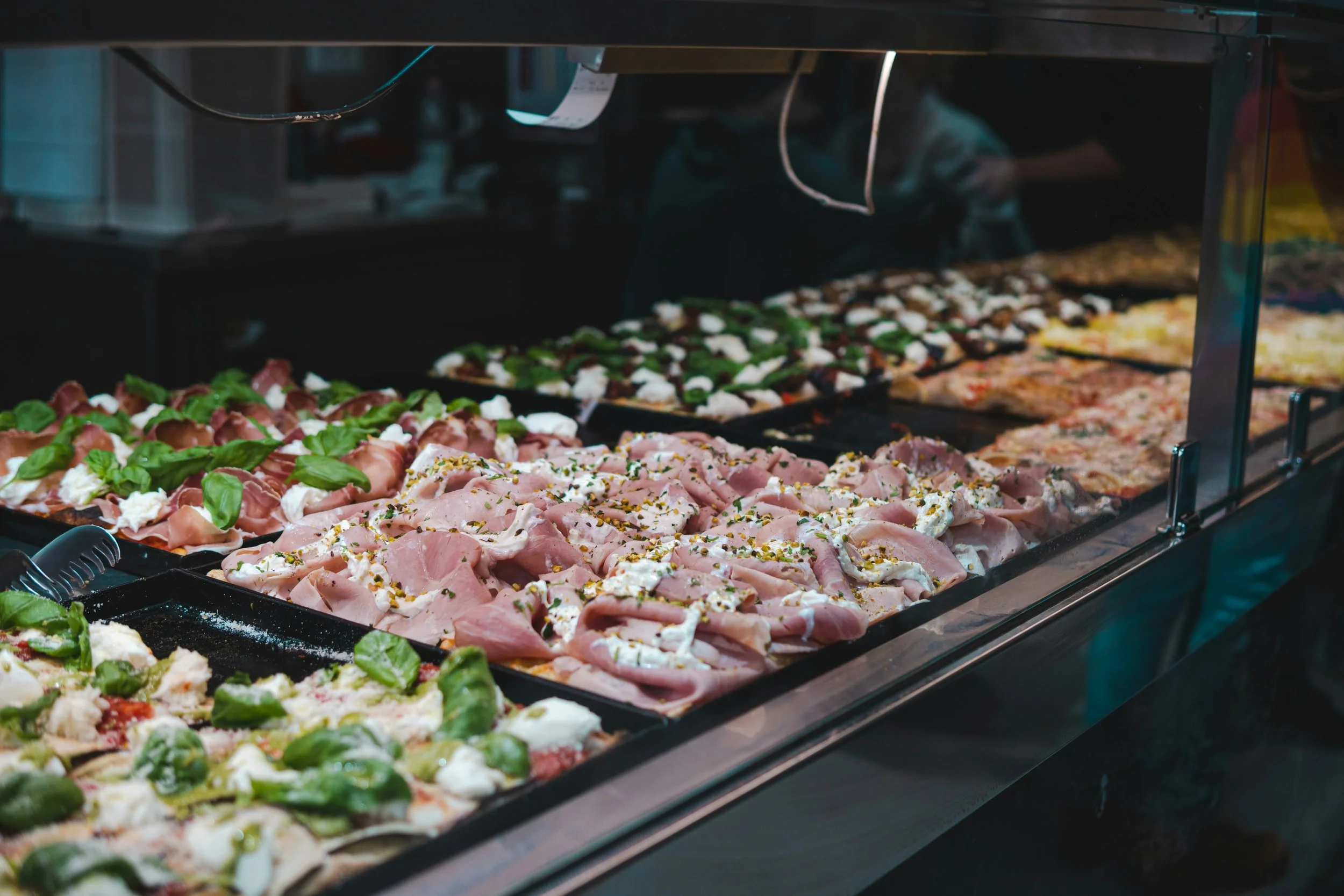
Top Things to Do in Rome
The attractions below are commonly booked in advance for timed entry and guaranteed access.
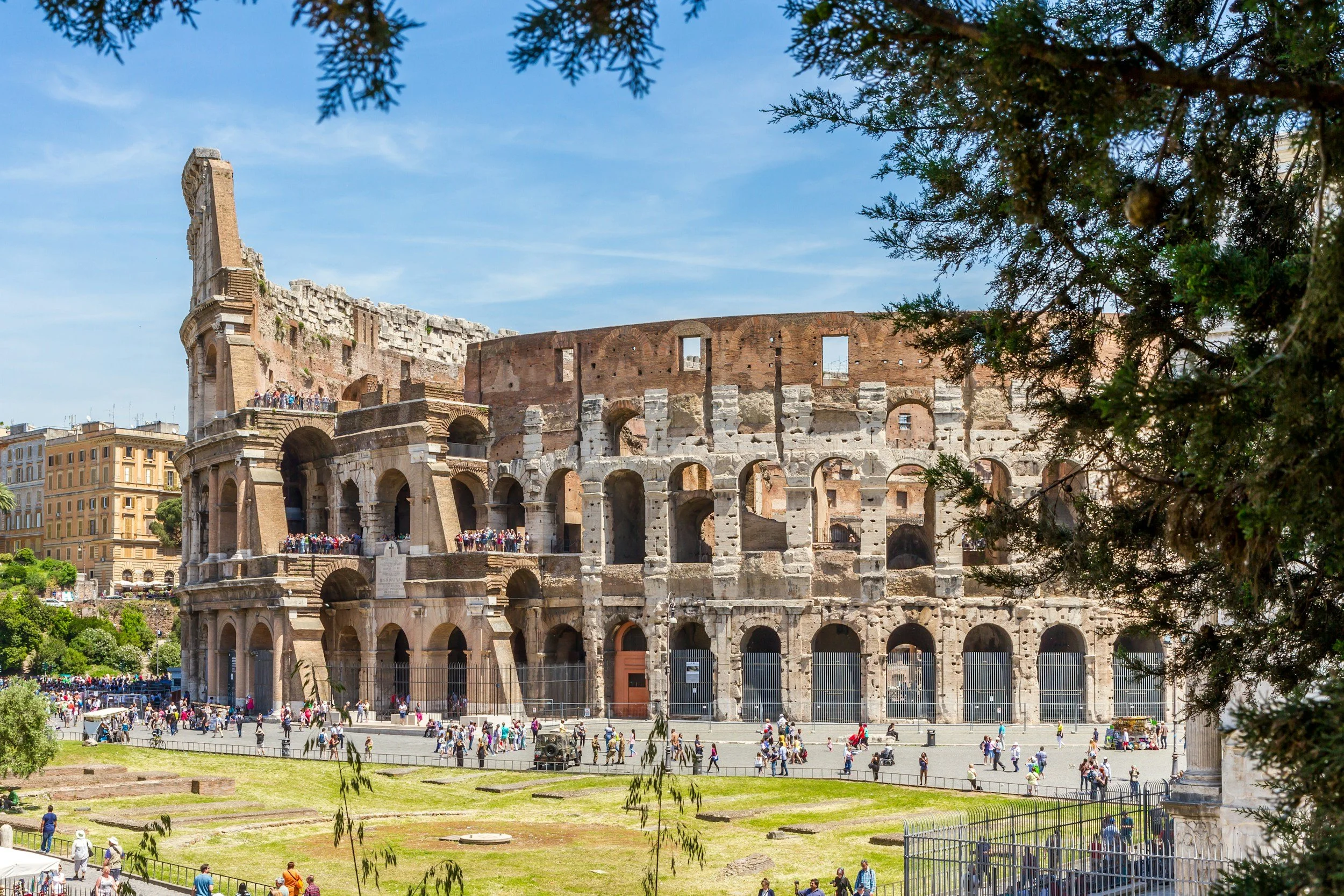
Colosseum, Roman Forum, and Palatine
The Colosseum, Roman Forum, and Palatine Hill form the core of ancient Rome. Visiting this archaeological complex allows you to walk through the political, social, and architectural heart of the Roman Empire.
Inside the Colosseum, you stand within the arena that once hosted gladiator battles and public spectacles attended by tens of thousands. Just steps away, the Roman Forum reveals the remains of temples, basilicas, and government buildings that shaped imperial power.
Palatine Hill rises above the Forum and is traditionally regarded as the birthplace of Rome. From here, you gain panoramic views over the ruins and a clearer sense of how the ancient city was structured.
Highlights include:
The interior of the Colosseum amphitheatre
Ruins of the Roman Forum
Palatine Hill viewpoints over ancient Rome
The Via Sacra, Rome’s historic ceremonial road
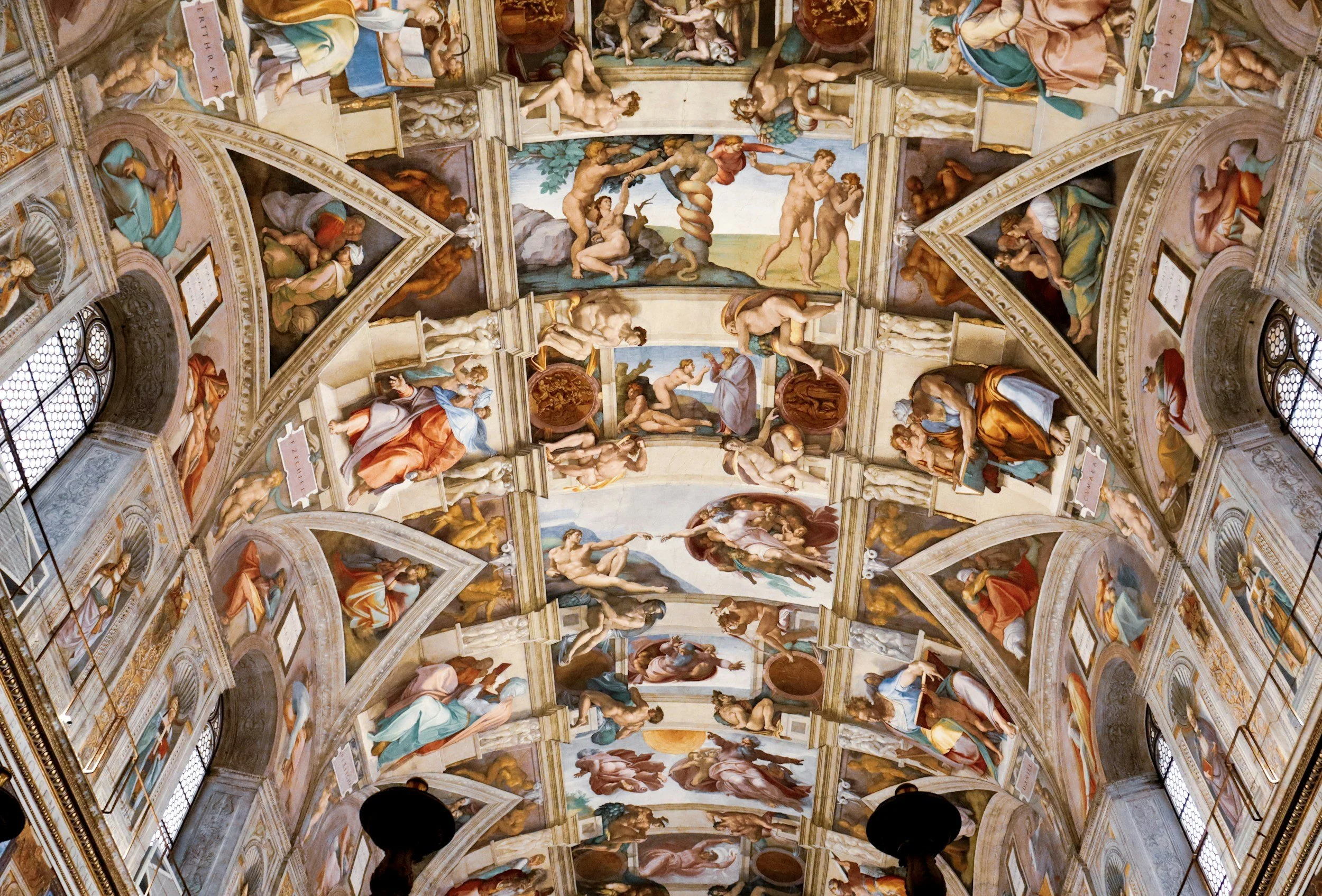
Vatican Museums & Sistine Chapel
The Vatican Museums house one of the most important art collections in the world. A visit here moves through centuries of sculpture, Renaissance painting, and papal history before culminating in the Sistine Chapel.
The museum galleries feature classical statues, detailed frescoes, and vast decorative corridors. The Raphael Rooms showcase Renaissance artistry at its peak, while the Sistine Chapel ceiling remains one of the most recognized masterpieces in Western art.
This experience combines religious significance, artistic achievement, and historical depth within a single complex.
Highlights include:
Michelangelo’s ceiling in the Sistine Chapel
The Raphael Rooms
The Gallery of Maps
Extensive Renaissance and classical collections
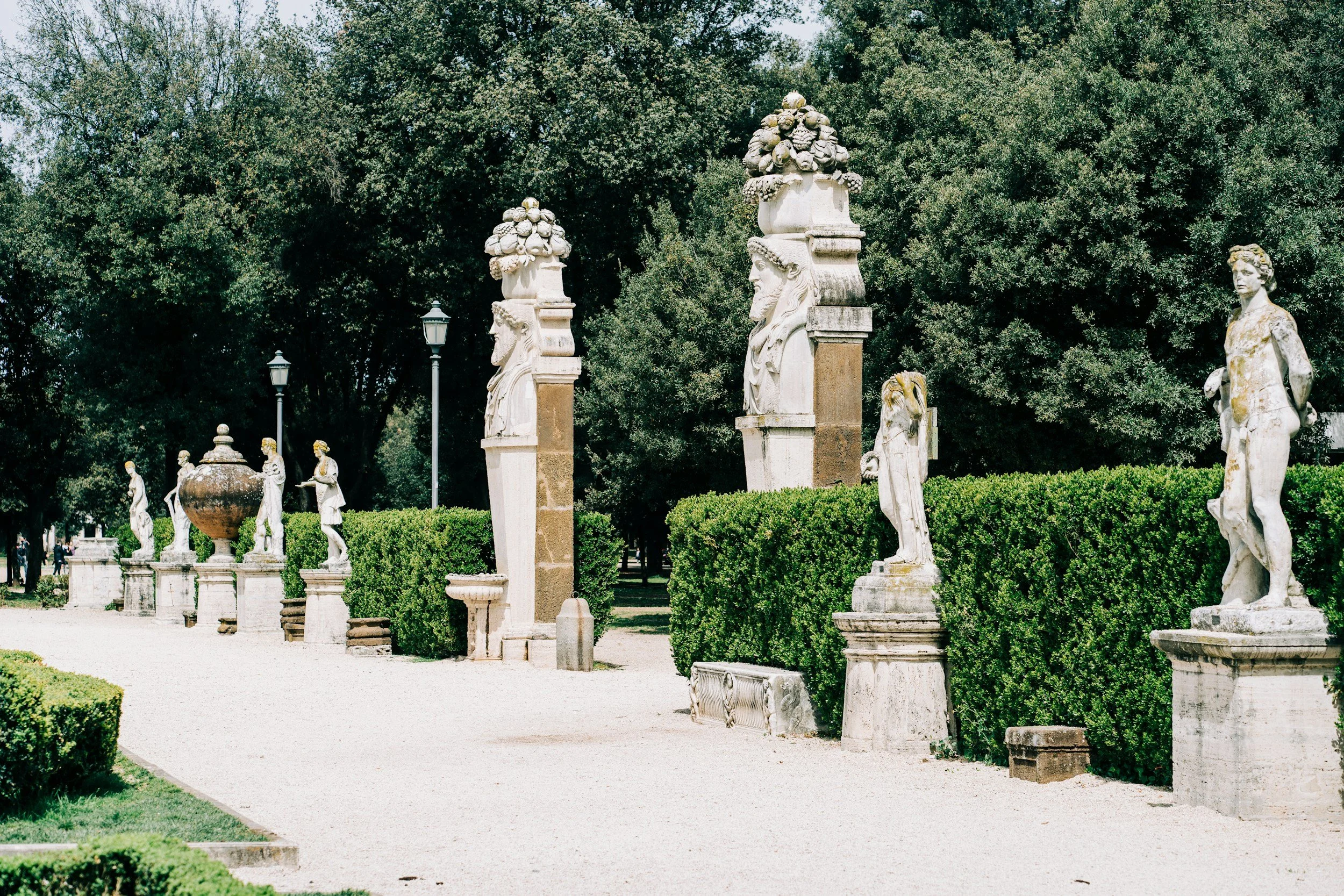
Borghese Gallery
The Borghese Gallery offers one of Rome’s most refined art experiences. Located inside a 17th-century villa surrounded by gardens, the museum houses a concentrated collection of Renaissance and Baroque masterpieces.
Here you can closely observe Bernini’s dramatic marble sculptures and Caravaggio’s intense use of light and shadow. The smaller scale of the gallery creates a more intimate viewing experience compared to larger museums in Rome.
It is particularly well-suited for travelers interested in art history and detailed craftsmanship.
Highlights include:
Bernini’s sculptural masterpieces
Caravaggio’s dramatic paintings
Raphael’s Renaissance works
Elegant villa setting within landscaped gardens
Efficient Tips for Short Stays in Rome
Stay centrally near the Pantheon, Piazza Navona, or Campo de’ Fiori for walkable access to major landmarks.
Group the Colosseum, Roman Forum, and Palatine Hill on the same morning to avoid crossing the city multiple times.
Visit the Vatican Museums early in the morning or later in the afternoon. Midday is the most crowded period.
Pre-book Borghese Gallery tickets at least several days in advance. Entry is strictly timed and capacity-limited.
Use evenings for Trastevere, a food tour, or a walking exploration when temperatures are cooler and crowds ease.
Avoid scheduling too many major monuments in one day. Rome requires more walking time than most first-time visitors expect.
Plan Your Days in Rome
Once you understand the main neighborhoods and attractions, the next step is organizing your daily sightseeing efficiently. Our Rome Itinerary helps you group major landmarks such as the Colosseum, Vatican, and historic center to avoid unnecessary travel across the city. It also suggests how to balance museums, walking routes, and food stops across multiple days.
Before You Go
Download offline maps before arrival. Metro stations and some historic buildings may have a weak signal.
Activate your Airalo eSIM before departure so mobile data works immediately upon landing.
Confirm airport transfer or Leonardo Express plans in advance, especially for late arrivals.
Pre book Colosseum and Vatican entry tickets during peak season to avoid long waits.
Wear comfortable walking shoes. Rome’s cobblestone streets increase daily walking fatigue.
Carry a reusable water bottle. Public drinking fountains throughout the city provide free potable water.
Screenshot your accommodation address to simplify taxi or ride hailing communication.
Practical Travel Tips
Travel Insurance
Italy does not require travel insurance for short-term tourist visits within the Schengen Area, but coverage is recommended for medical emergencies and trip disruptions. EKTA provides suitable insurance plans for European travel.
eSIM and Mobile Connectivity
Rome relies heavily on digital tickets, maps, and ride-hailing apps. A prepaid eSIM is the simplest solution for short stays. Airalo offers Italy and Europe regional data packages that activate instantly once installed before arrival.
Flight Delays and Compensation
If your flight to Rome is delayed or canceled, you may be entitled to compensation depending on your airline and route. Services like Compensair help travelers check eligibility and submit claims without handling the paperwork themselves.
Luggage Storage in Rome
If you arrive before hotel check-in or have a late departure, storing your luggage near the city center or main train station can make the day more efficient. Services such as Radical Storage offer short-term luggage storage locations across central areas and transport hubs.
