
Lisbon, Portugal Travel Guide
Lisbon is one of Europe’s fastest-growing city destinations, known for its historic neighborhoods, coastal viewpoints, and distinctive tram-lined streets. Built across a series of hills overlooking the Tagus River, the city combines traditional architecture with modern cafés, rooftop viewpoints, and easy access to nearby coastal towns. This Lisbon travel guide covers where to stay, how to get there, the best tours and experiences, and practical planning tips to help you structure your visit efficiently.

Best Time to Visit Lisbon
Lisbon has a mild climate year-round, making it suitable for travel in all seasons.
Spring: March to May
Warm temperatures and blooming viewpoints across the city. Ideal for walking and outdoor exploration.
Summer: June to August
Hot temperatures with peak tourism. Festivals and long evenings make it lively, but crowds increase significantly.
Autumn: October to November
Comfortable weather with fewer crowds. One of the best times for sightseeing and day trips.
Winter: December to March
Mild compared to most European cities. Fewer tourists and lower hotel prices, though occasional rain is common.
For most travelers, April–June and September–October offer the best balance between weather and crowd levels.

How to Get to Lisbon
Main Airport
Lisbon is served by Lisbon Humberto Delgado Airport (LIS), located approximately 7 km from the city center.
Driving time: 15 to 25 minutes, depending on traffic
Airlines commonly flying to Lisbon include:
TAP Air Portugal
Ryanair
easyJet
Lufthansa
Air France
British Airways
Qatar Airways
Getting from the Airport to the City
Before planning where to stay, it helps to understand how to travel from Lisbon Airport to the city center. Transport options include metro, taxis, and private transfers, depending on arrival time and luggage.
Metro (Most Practical Public Option)
The Lisbon Metro connects the airport directly to the city.
Travel time: 20 to 30 minutes
Cost: approximately €1.50–2
This is the most efficient option for travelers staying near central districts such as Baixa or Chiado.
When a Private Transfer Makes Sense
A pre-booked private transfer, such as Welcome Pickups, and Kiwi Taxi are useful if:
You arrive late at night
You are traveling with luggage
You want a direct hotel drop-off
Where to Stay in Lisbon
Lisbon’s layout is divided into distinct neighborhoods, each offering a different experience. Baixa and Chiado are central and walkable, Alfama is historic and traditional, while Bairro Alto is known for nightlife.
Budget Hotels in Rome
Selina Secret Garden Lisbon
Located near Cais do Sodré, this hotel offers a social atmosphere with modern rooms and shared spaces, making it ideal for younger travelers and groups. Its location provides easy access to nightlife, public transport, and riverfront areas.
Price range:
EUR 60 to 80 per night
easyHotel Lisbon
A simple and affordable option with clean, minimal rooms located slightly outside the busiest tourist areas. It offers good value while remaining within walking distance or short transport rides from central Lisbon.
Price range:
EUR 50 to 75 per night
Mid-Range Hotels in Rome
Hotel da Baixa
Centrally located in Baixa, this hotel offers immediate access to Lisbon’s main shopping streets, restaurants, and transport connections, making it ideal for first-time visitors.
Price range:
EUR 140 to 200 per night
ibis Lisboa José Malhoa
A modern hotel near Wenceslas Square featuring contemporary design and a central location. It’s well-suited for travelers who want a balance between comfort, accessibility, and proximity to nightlife and restaurants.
Price range:
EUR 90 to 125 per night
Luxury Hotels in Rome
Four Seasons Hotel Ritz Lisbon
A high-end hotel offering panoramic views over Lisbon, combining classic luxury with proximity to central districts.
Price range:
EUR 500 to 900+ per night
Augustine, a Luxury Collection Hotel
Located between Chiado and Bairro Alto, this hotel offers rooftop views and immediate access to Lisbon’s cultural and nightlife areas.
Price range:
EUR 400 to 700 per night
Tours to take in Lisbon
Alfama Walking Tour
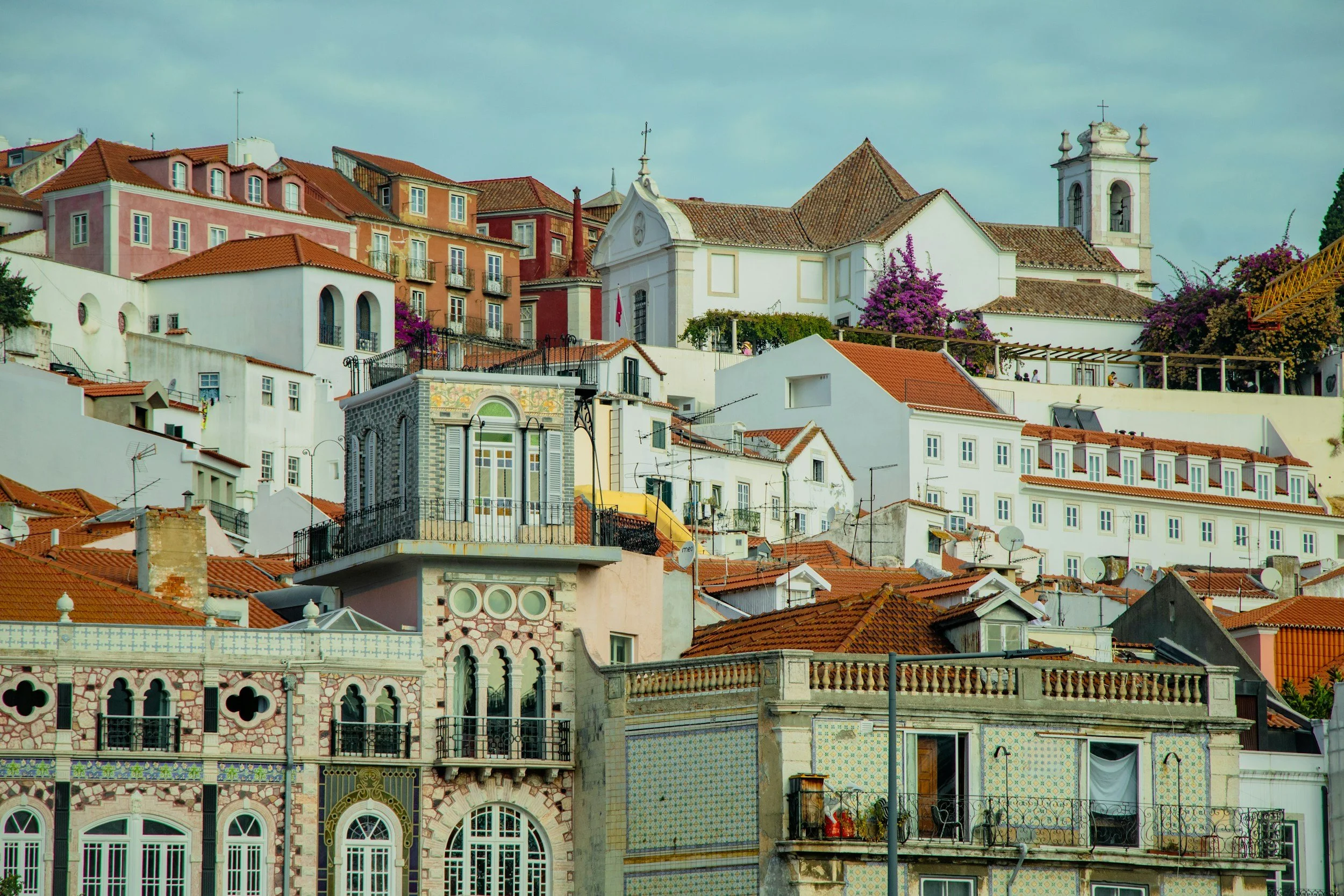
This walking tour explores Alfama, Lisbon’s oldest district, providing a structured way to navigate its narrow streets, historic buildings, and elevated viewpoints while understanding the city’s origins and layout.
Tour includes:
Guided walk through Alfama’s historic streets
Visits to key viewpoints overlooking Lisbon
Cultural and historical context of the district
Insights into traditional Lisbon life and architecture
The tour moves through steep alleyways and staircases that define Alfama, an area that can be difficult to explore efficiently without guidance. Along the route, your guide explains how the district developed, from Moorish influences to modern Lisbon.
The experience also includes stops at viewpoints overlooking the Tagus River, helping you understand how the city is structured across its hills while providing some of the best photo opportunities.
Sintra, Pena Palace & Cascais Day Trip
This full-day tour connects LisboSintra’s historic center before moving toward Cascais landscapes and historical sites into a single structured route that would otherwise be difficult to organize independently.
Tour includes:
Visit to Pena PalaSintra’s historic center before moving toward Cascaisr
Stop in Cascais coastal town
Scenic views along the Atlantic coastline
The tour begins with a transfer from Lisbon to Sintra, where you visit Pena Palace, one of Portugal’s most recognizable landmarks. Its elevated position and distinctive architecture provide a different perspective compared to Lisbon’s urban landscape.
The experience continues through Sintra’s historic center before moving toward Cascais, where coastal views and a more relaxed atmosphere contrast with the earlier part of the day.

Lisbon Tagus River Cruise
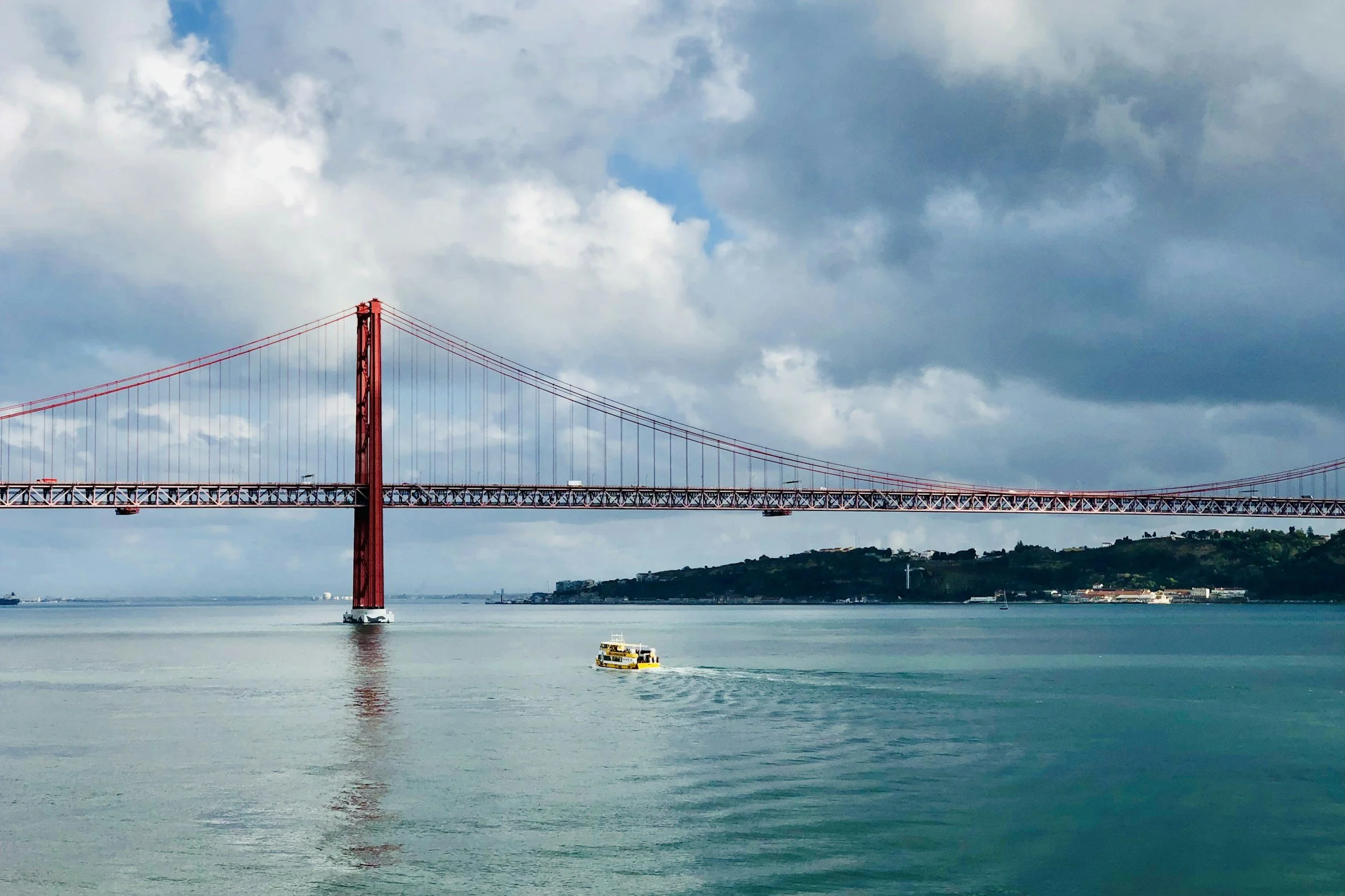
This river cruise provides a relaxed way to experience Lisbon’s skyline from the water, offering a different perspective of its bridges, waterfront landmarks, and historic districts.
Tour includes:
Cruise along the Tagus River
Views of Belém Tower and Lisbon skyline
Welcome drink on board
Open-air and indoor seating options
From the river, you can see Lisbon’s key landmarks from angles not accessible on foot, including the 25 de Abril Bridge and the waterfront districts. The slower pace makes it an effective break between walking-heavy sightseeing days.
The experience is particularly suited for late afternoon or sunset, when lighting conditions enhance the contrast between the city and the river.
Lisbon Self-Guided Audio Tour
These self-guided walking tours allow travelers to explore Lisbon independently while listening to curated audio commentary through a mobile app.
Tour includes:
Self-guided audio walking tour through central Lisbon
Historical explanations of major landmarks
Flexible pacing without a fixed group schedule
Navigation through the mobile app
This format is ideal for travelers who prefer exploring the city at their own pace while still gaining historical context and structured guidance.
Top Things to Do in Lisbon
The attractions below are commonly booked in advance for timed entry and guaranteed access.
Jerónimos Monastery
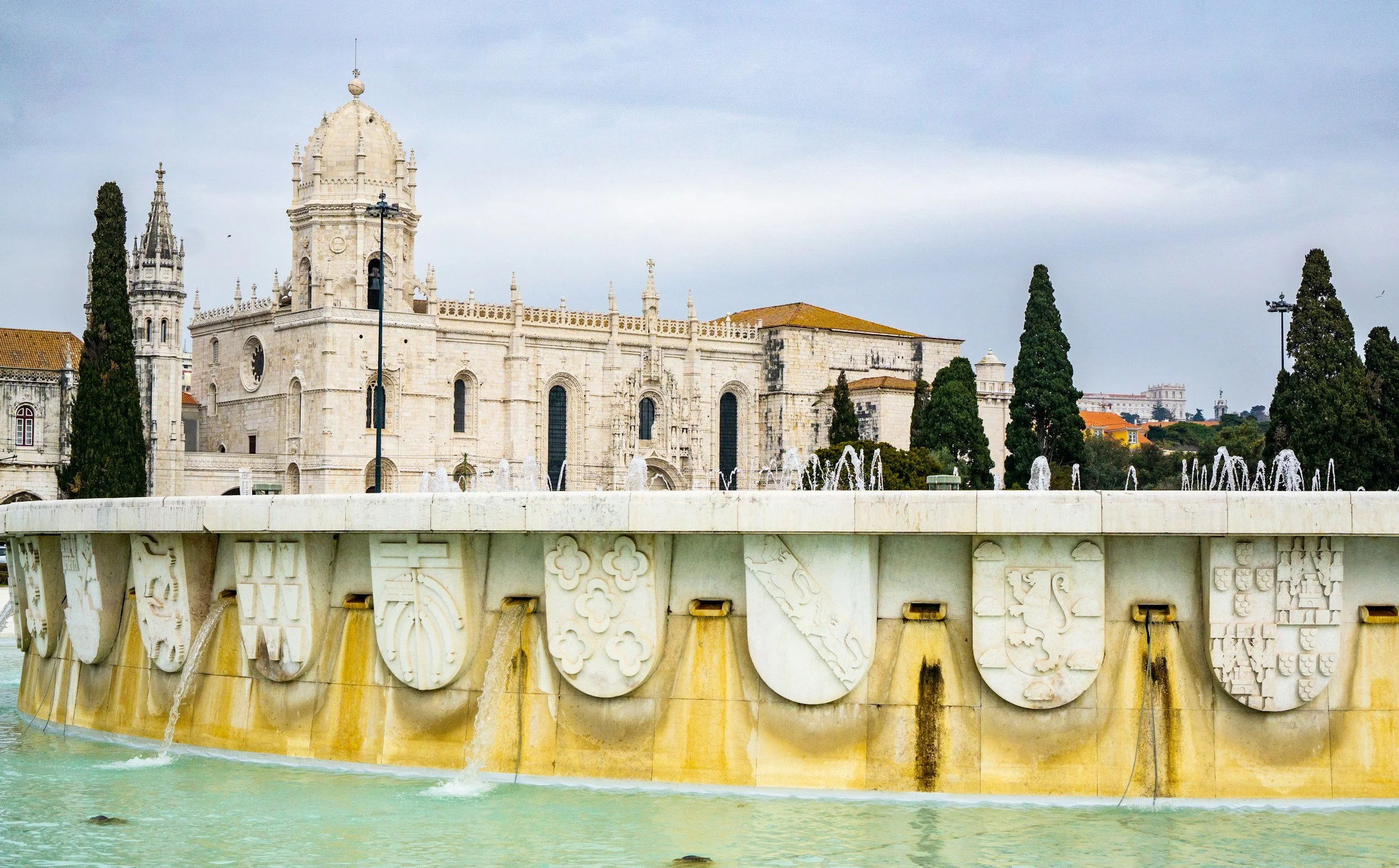
Jerónimos Monastery is one of Lisbon’s most significant historical landmarks, representing Portugal’s Age of Discoveries and the wealth generated from global trade routes. The structure is known for its detailed Manueline architecture, with intricate carvings, vaulted ceilings, and cloisters that reflect both religious and maritime influences.
Located in the Belém district, the monastery was historically connected to Portuguese explorers, with figures such as Vasco da Gama associated with the site. Walking through the cloisters and interior spaces provides a clearer understanding of Portugal’s role during the exploration era.
Due to its popularity, entry lines can become one of the longest in Lisbon, especially during peak travel months.
Highlights include:
Detailed Manueline architectural design
Historic cloisters and interior halls
Connection to Portugal’s maritime history
Tram 28
Tram 28 is one of the most recognizable experiences in Lisbon, following a historic route through districts such as Alfama, Alfama, Graça, and Baixaam moves through narrow streets, steep inclines, and tight corners that are difficult to navigate on foot, making it both a transport option and a sightseeing experience.
The route passes several major landmarks and viewpoints, offering a moving overview of Lisbon’s layout and architecture. However, due to its popularity, queues can be long, and carriages often become crowded during midday.
Riding early in the morning or later in the evening provides a more comfortable experience.
Highlights include:
Historic tram route through key districts
Access to elevated viewpoints and narrow streets
Continuous views of Lisbon’s architecture

Miradouros (Viewpoints Across Lisbon)
Lisbon’s layout across multiple hills creates a network of viewpoints known as “miradouros,” each offering a different perspective over the city, the Tagus River, and surrounding neighborhoods. These viewpoints are integrated into daily routes rather than requiring separate visits, making them an essential part of exploring Lisbon.
Popular miradouros such as Senhora do Monte, Santa Catarina, and Portas do Sol provide elevated views that highlight the city’s layered architecture and riverfront setting. Visiting multiple viewpoints throughout the day allows you to see how lighting conditions change the appearance of the city.
Sunset is typically the most popular time, when the city’s colors become more pronounced, and the river reflects the surrounding landscape.
Highlights include:
Panoramic views over Lisbon and the Tagus River
Multiple viewpoints across different districts
Changing lighting conditions throughout the day

Lisbon Card (City Attraction Pass)
The Lisbon Card provides access to many of the city’s main attractions, along with unlimited public transport, making it a practical option for travelers planning to visit multiple landmarks within a short period. The pass includes entry to key sites such as Jerónimos Monastery, Belém Tower, and selected museums, while also covering transport across the metro, trams, and buses. This allows you to move efficiently between districts like Baixa, Alfama, and Belém without needing to purchase separate tickets.
Unlike buying individual entries, the Lisbon Card works best when you are visiting several paid attractions across one to three days, especially if your itinerary includes both central Lisbon and Belém. This option is most useful for travelers who want a structured sightseeing plan while reducing time spent managing tickets and transport.
Efficient Tips for Short Stays in Lisbon
If you are visiting Lisbon for two to three days, structuring your time efficiently is important due to the city’s hills and the spread of key attractions between central districts and Belém.
Stay within Baixa, Chiado, or Alfama to keep most major attractions within walking distance and reduce unnecessary uphill travel.
Ride Tram 28 early in the morning (before 8:30 AM) or later in the evening. Midday queues are long, and carriages are often overcrowded, making the experience less enjoyable.
Group Belém attractions on the same day. Jerónimos Monastery, Belém Tower, and nearby waterfront areas are located outside the main center and are best visited together.
Use the metro, trams, and funiculars instead of taxis. Traffic in central Lisbon can slow down car travel, while public transport is more consistent and often faster.
Plan indoor attractions or cafés during midday when viewpoints and main streets are at their busiest. This helps avoid peak crowd periods.
Wear comfortable shoes and expect steep walking routes. Lisbon’s hills and cobblestone streets can significantly increase fatigue over a full day.
Before You Go
Download offline maps before arrival. Lisbon’s narrow streets and hillside layout can make navigation less intuitive without a stable connection.
Activate your Airalo eSIM before departure so mobile data works immediately upon landing. This is especially useful for maps, tickets, and ride-hailing.
Carry small amounts of cash. While cards are widely accepted, smaller cafés, bakeries, and local shops may still prefer cash for small purchases.
Avoid relying only on taxis from the airport during peak hours. Metro or pre-booked transfers are often faster and more predictable.
Confirm your airport transfer or metro route in advance, especially for late-night arrivals when public transport frequency is reduced.
Be prepared for varying weather conditions. Even in warmer months, coastal winds and temperature changes can affect comfort throughout the day.
Save your accommodation address offline or as a screenshot. This helps when navigating or using ride-hailing apps.Practical Travel Tips
Travel Insurance
Portugal does not require travel insurance for short-term visits within the Schengen Area, but coverage is recommended for medical emergencies and trip disruptions. EKTA provides suitable insurance plans for European travel.
eSIM and Mobile Connectivity
Lisbon relies heavily on digital maps, attraction tickets, and ride-hailing apps. A prepaid eSIM is the simplest solution for short stays. Airalo offers Portugal and Europe regional data packages that activate instantly once installed before arrival.
Flight Delays and Compensation
If your flight to Lisbon is delayed or canceled, you may be entitled to compensation depending on your airline and route. Services like Compensair help travelers check eligibility and submit claims without handling the paperwork themselves.
Luggage Storage in Lisbon
If you arrive before hotel check-in or have a late departure, storing your luggage near the city center or main train station can make the day more efficient. Services such as Radical Storage offer short-term luggage storage locations across central areas and transport hubs.
