
Barcelona, Spain Travel Guide
Barcelona, Spain is one of Europe’s most vibrant coastal cities, known for Gaudí architecture, Mediterranean beaches, historic Gothic streets, and world-famous food culture. This Barcelona travel guide covers where to stay, how to get there, the best architectural tours and attraction tickets, and practical planning tips to help you structure your visit efficiently.
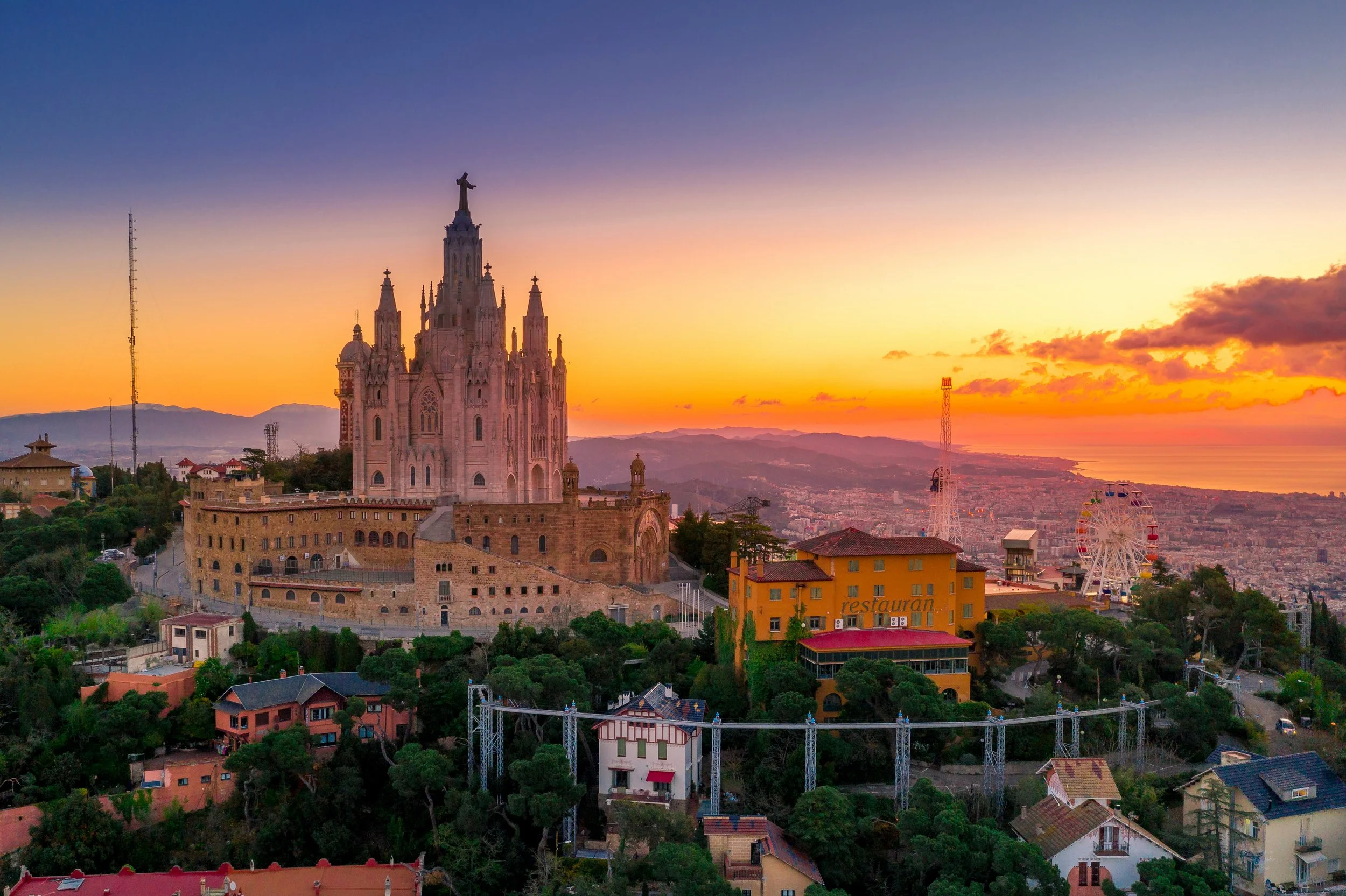
Best Time to Visit Barcelona
Barcelona has a Mediterranean climate with warm summers and mild winters.
Spring: April to June
Pleasant temperatures.
Ideal for walking through the Gothic Quarter and visiting Gaudí landmarks.
Moderate tourist crowds.
Summer: July to September
Hot temperatures.
Peak beach season.
Higher hotel demand.
Autumn: October to November
Comfortable weather.
Fewer crowds than in summer.
Good for museums and architecture visits.
Winter: December to March
Mild compared to most European cities.
Lower hotel prices outside holidays.
Shorter lines at major attractions.
For sightseeing and architecture visits, late spring and early autumn provide the best balance between weather and crowd levels.
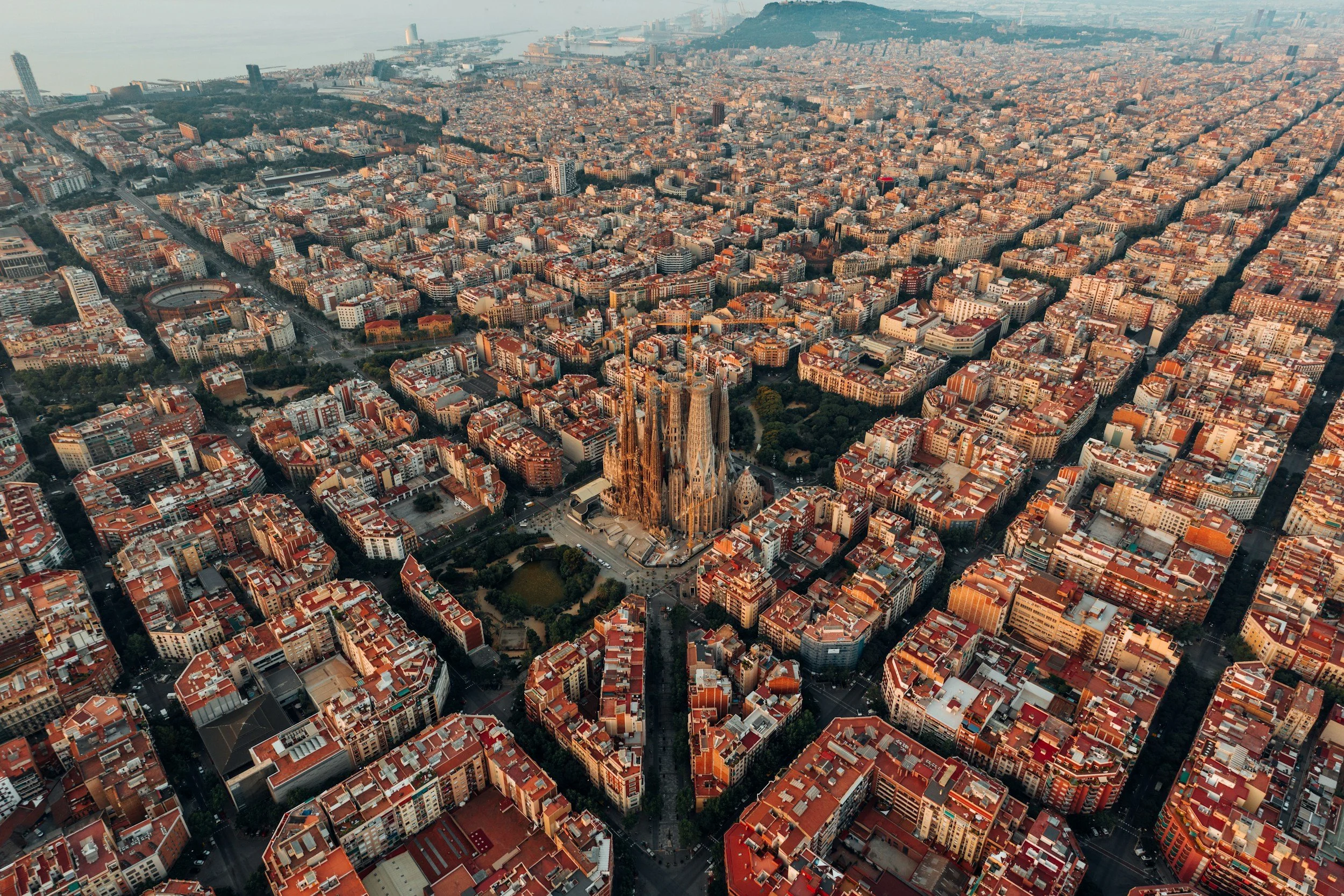
How to Get to Barcelona
Main Airport
Barcelona is served by Barcelona El Prat Airport (BCN).
Distance to city center: approximately 15 km.
Driving time: 25 to 35 minutes, depending on traffic.
Getting from the Airport to the City
Before planning where to stay or what to see, it helps to understand how to travel from Barcelona El Prat Airport (BCN) to the city center. Transport options include the Aerobus airport shuttle, metro, taxi services, and private transfers depending on your arrival time, luggage, and budget.
Airport Shuttle Bus
The Aerobus connects Barcelona El Prat Airport directly to Plaça de Catalunya in the city center.
Travel time: approximately 35 minutes
Cost: around EUR 6.75
This is the most practical public transport option for central stays.
Metro
Metro line L9 Sud connects the airport with the wider Barcelona metro network.
Travel time: 30 to 40 minutes, depending on transfers.
Taxi and Ride Services
Official airport taxis operate with regulated pricing.
Typical cost to central Barcelona: EUR 30 to 40.
When a Private Transfer Makes Sense
A pre-booked private transfer, such as Welcome Pickups, and Kiwi Taxi are useful if:
You arrive late at night
You are traveling with heavy luggage
You are staying outside the central districts
You prefer a direct hotel drop-off
Where to Stay in Barcelona
All hotels listed below are centrally located and highly rated. Prices vary by season, especially during summer and major festivals.
Budget Hotels in Rome
Hotel Radha
Modern boutique-style budget hotel located in the Poble Sec district, offering easy metro access to central Barcelona and close proximity to Montjuïc hill and cultural attractions.
Price range:
EUR 60 to 90 per night
Hostal Balmes Centro
Simple but well-located guesthouse in the Eixample district within walking distance of Passeig de Gràcia and several Gaudí landmarks. A practical option for travelers prioritizing location and value.
Price range:
EUR 50 to 80 per night
Mid-Range Hotels in Rome
Vincci Mae
Stylish four-star hotel located in Barcelona’s Eixample district with a rooftop pool and strong public transport connections to the city center and major attractions.
Price range:
EUR 125 to 160 per night
Evenia Rocafort
Well-rated hotel located near Plaça d’Espanya, providing convenient metro access to the Gothic Quarter, Sagrada Familia, and other major areas of the city.
Price range:
EUR 110 to 150 per night
Luxury Hotels in Rome
W Barcelona
Iconic beachfront hotel overlooking the Mediterranean with panoramic city and sea views.
Price range:
EUR 600 to 1000+ per night
Mandarin Oriental Barcelona
Five-star luxury hotel located on Passeig de Gràcia near Casa Batlló and other Gaudí landmarks.
Price range:
EUR 700 to 1200+ per night
Tours to take in Barcelona
Sagrada Familia Guided Tour
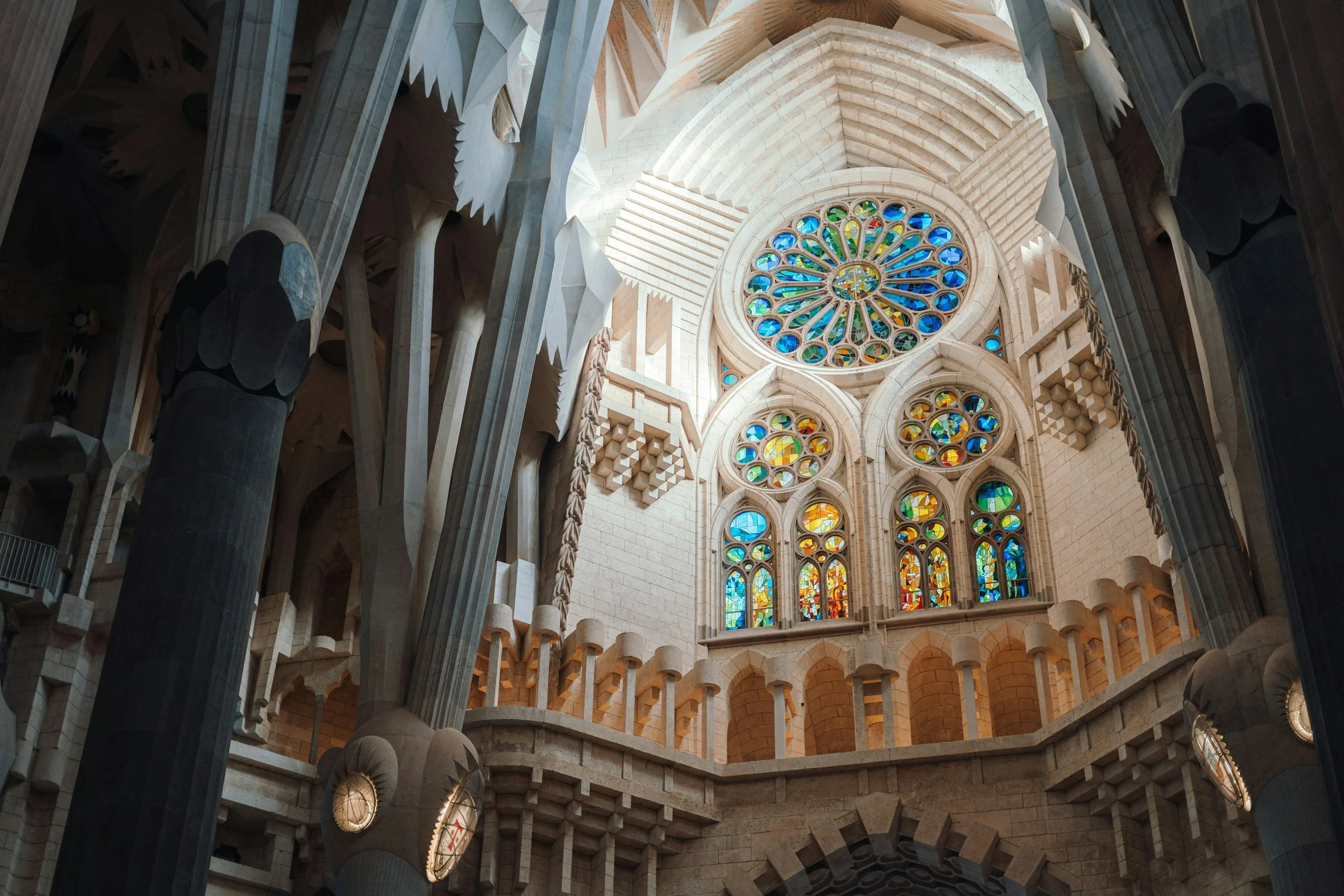
This guided tour explores the interior of Sagrada Familia, Antoni Gaudí’s most famous architectural work and one of the most recognizable landmarks in Europe. A professional guide explains the symbolism, structural design, and historical development of the basilica while navigating its intricate interior spaces.
Tour includes:
Guided tour of the Sagrada Familia basilica
Explanation of Gaudí’s architectural symbolism
Interior exploration of the cathedral
Optional tower access with panoramic city views
Visitors learn how Gaudí’s design integrates religion, geometry, and natural forms while observing the cathedral’s stained glass, towering columns, and sculptural facades.
Park Güell Guided Tour
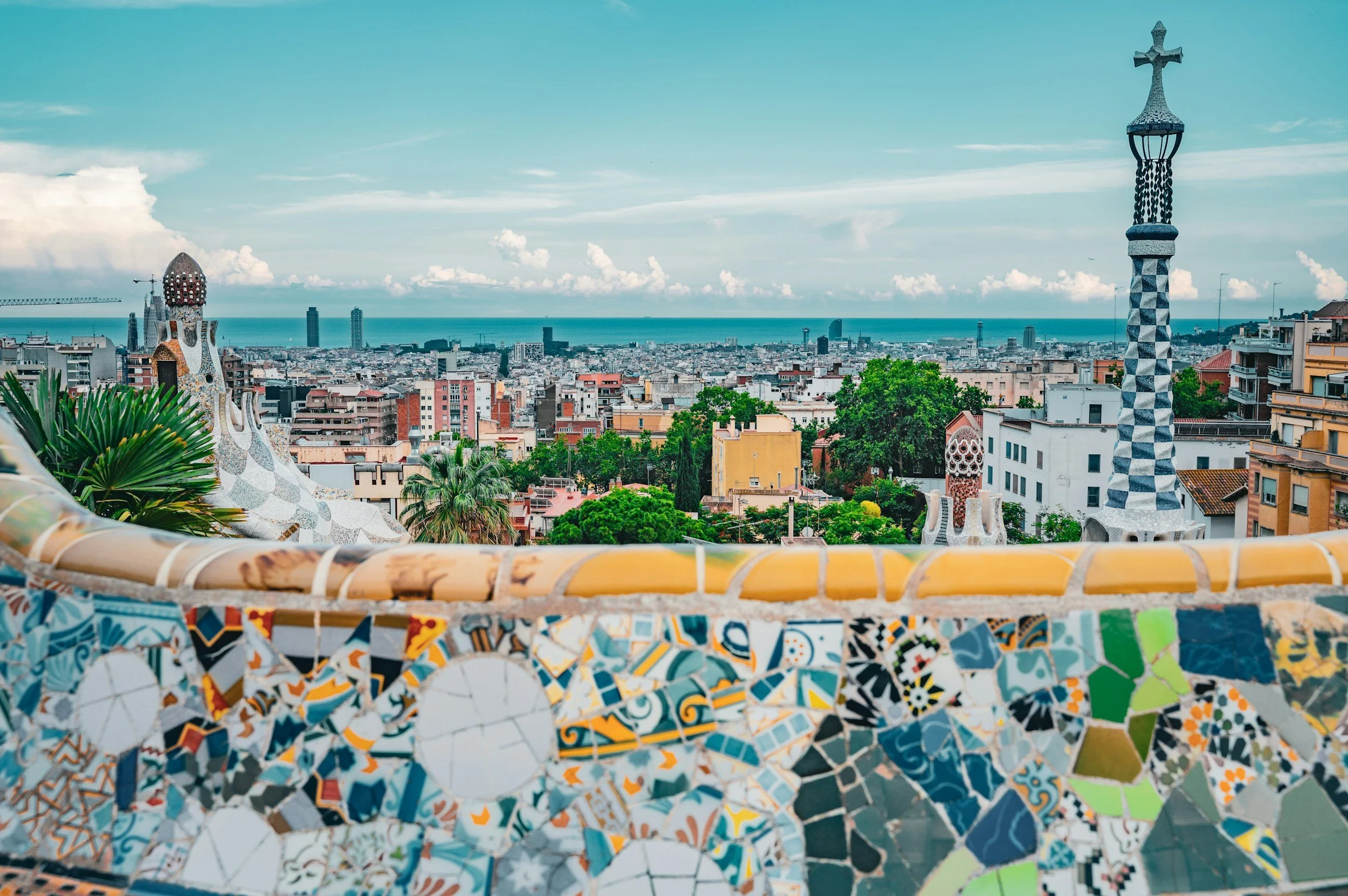
This guided tour explores Park Güell, one of Antoni Gaudí’s most imaginative architectural works and a UNESCO World Heritage Site overlooking Barcelona.
Tour includes:
Guided walk through the Park Güell monument area
Explanation of Gaudí’s mosaic and architectural design
Panoramic views across Barcelona
Insights into the Catalan Modernist movement
The elevated terraces and colorful mosaics provide sweeping views of the city while showcasing Gaudí’s distinctive approach to architecture and landscape design.
Gothic Quarter Walking Tour
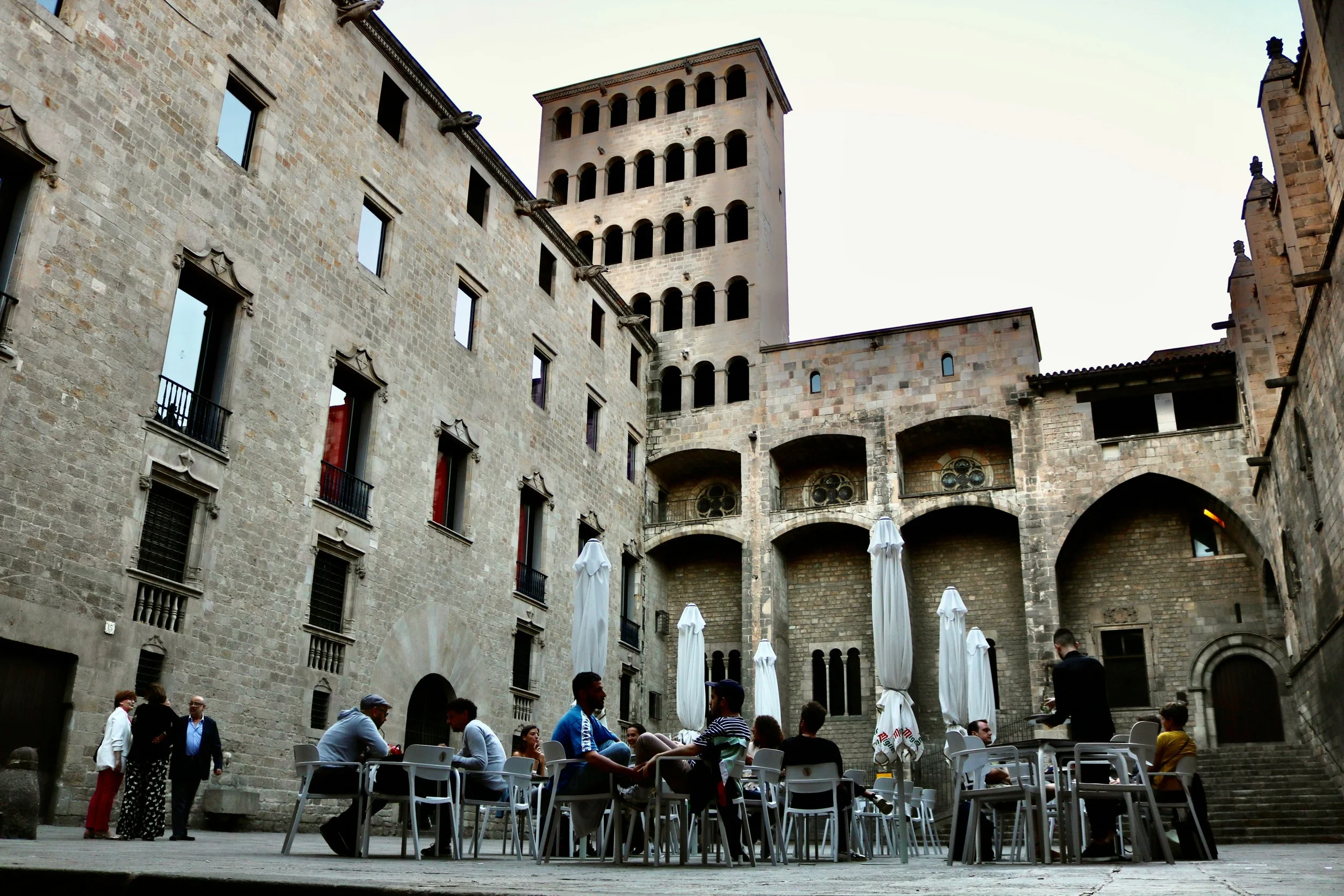
This walking tour explores the historic Gothic Quarter, one of Barcelona’s oldest districts with layers of Roman, medieval, and modern history.
Tour includes:
Guided walk through the Gothic Quarter streets
Visit to Plaça del Rei and Sant Felip Neri Square
Exploration of Roman ruins and historic plazas
Historical explanations from a professional guide
Narrow medieval streets, historic courtyards, and centuries-old architecture provide a deeper understanding of Barcelona’s origins and cultural evolution.
Barcelona Self-Guided Audio Tour
These self-guided walking tours allow travelers to explore Barcelona’s historic districts independently while listening to curated audio commentary through a mobile app.
Tour includes:
Self-guided audio walking tour through central Barcelona
Historical explanations of major landmarks
Flexible pacing without a fixed group schedule
Navigation through the mobile app
This format is ideal for travelers who prefer exploring the city at their own pace while still gaining historical context and structured guidance.
Top Things to Do in Barcelona
The attractions below are commonly booked in advance for timed entry and guaranteed access.
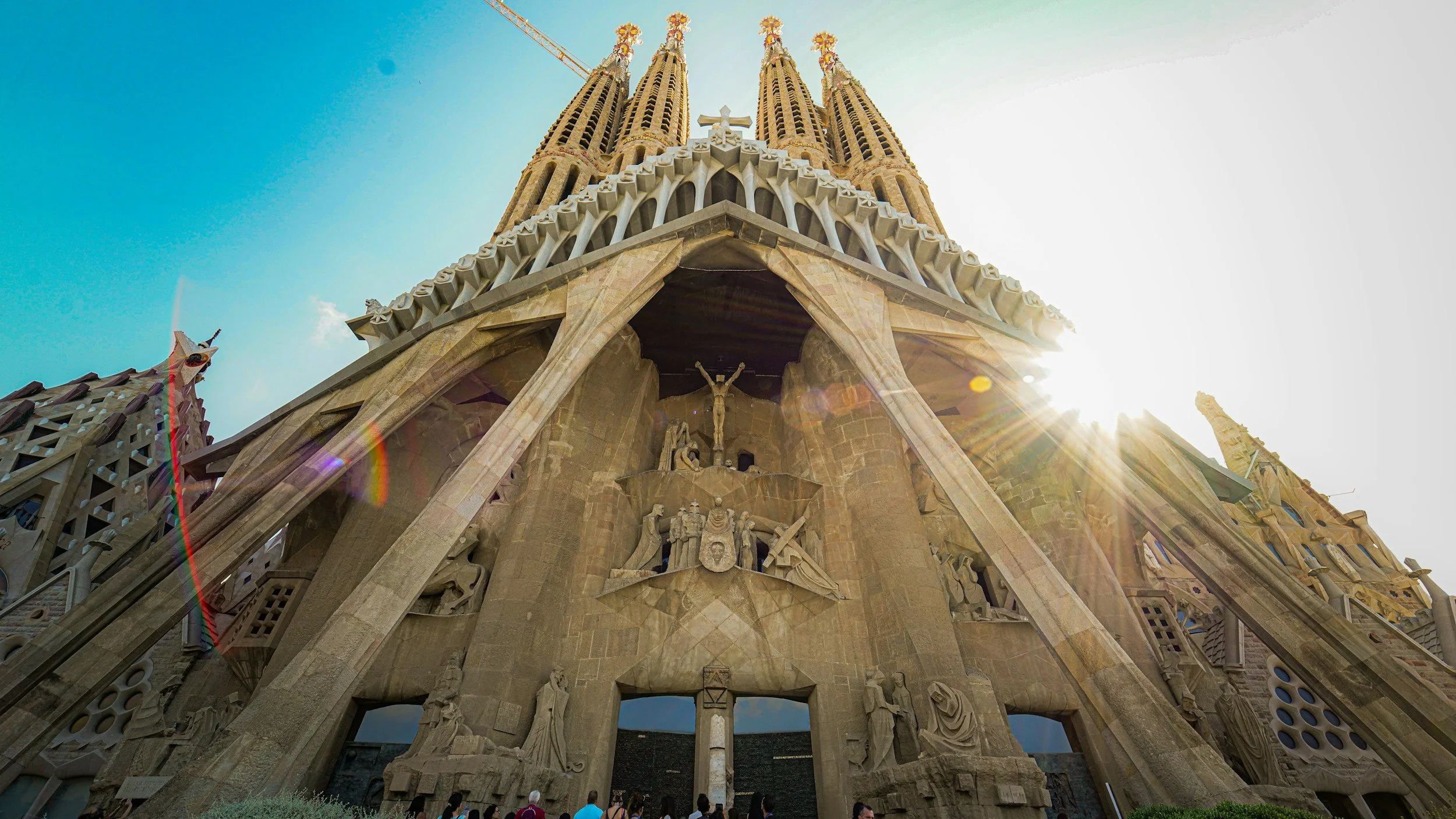
Sagrada Familia
Sagrada Familia is Barcelona’s most iconic landmark and one of the most visited architectural sites in Europe. Construction began in 1882 and continues today, making the basilica both a historic monument and an active architectural project.
Highlights include:
Gaudí’s intricate façade sculptures
Towering stained-glass interiors
Unique geometric architectural design
Panoramic city views from the towers
Montjuïc Cable Car
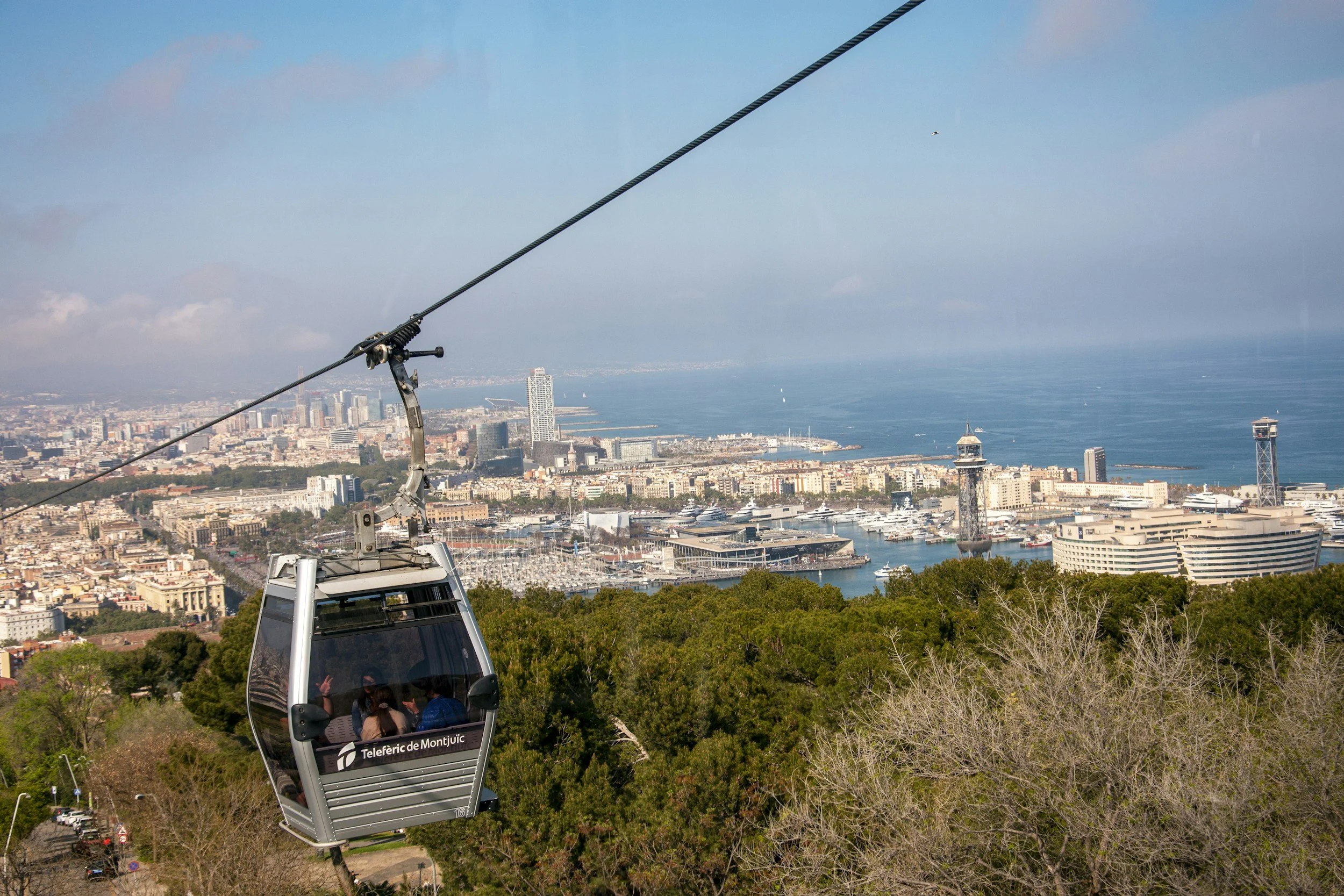
The Montjuïc Cable Car provides one of the best panoramic views of Barcelona while connecting the city with Montjuïc hill. The modern cable system travels above the harbor and city skyline before reaching Montjuïc Castle.
From the hilltop, visitors can explore gardens, museums, and historic fortifications while enjoying elevated views across the Mediterranean coastline and central Barcelona.
Highlights include:
Panoramic aerial views of Barcelona
Ride between the harbor and Montjuïc Castle
Observation terraces overlooking the city
Access to Montjuïc parks and historic sites
Park Güell
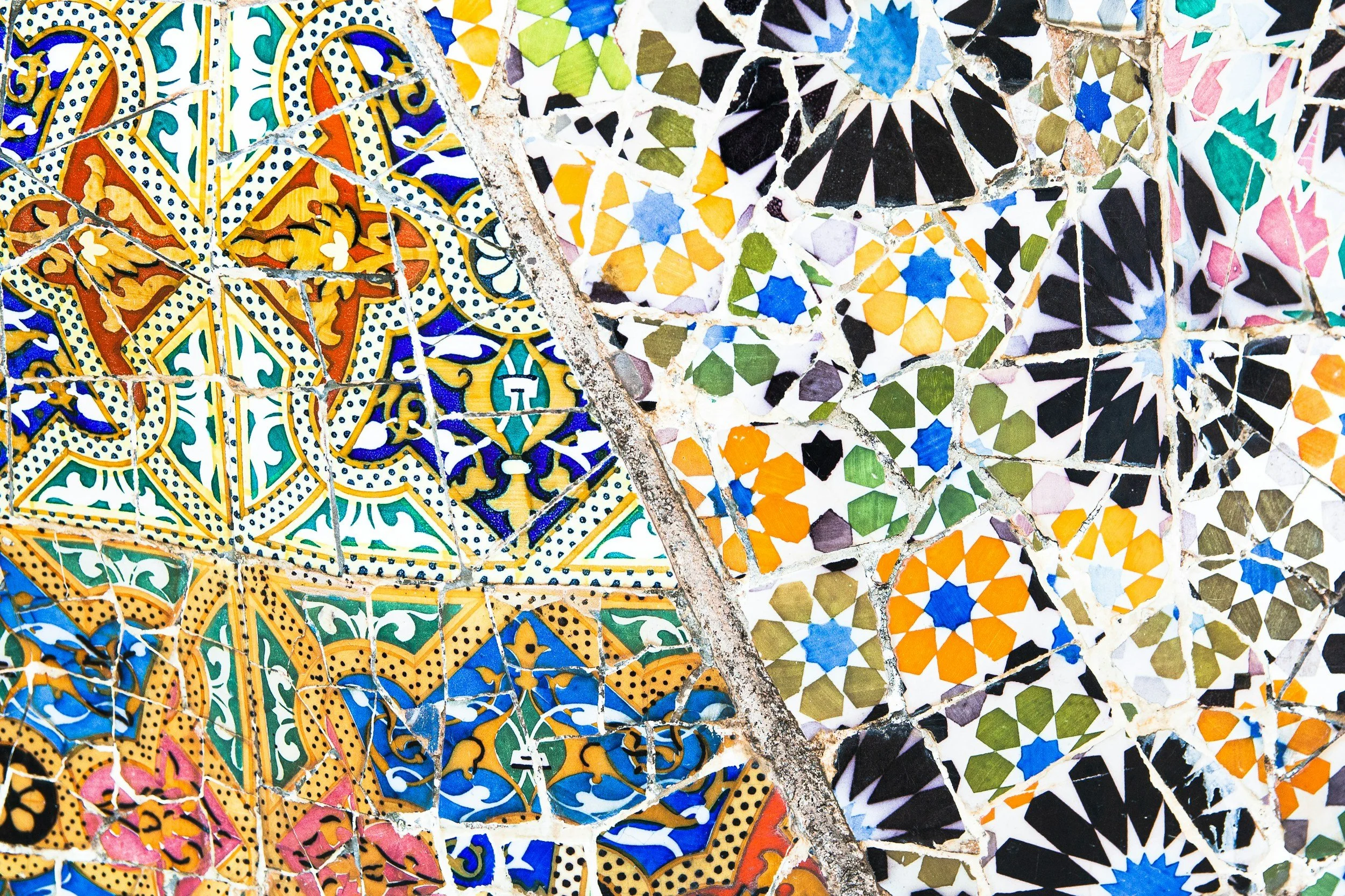
One of Antoni Gaudí’s most imaginative architectural landscapes, blending colorful mosaics, sculptural terraces, and natural surroundings into a single hillside park overlooking Barcelona.
Originally intended as a residential development, the project evolved into one of the city’s most distinctive public spaces. Curving walkways, stone columns, and vibrant ceramic benches reflect Gaudí’s fascination with organic forms and natural patterns.
From the elevated terrace, visitors gain sweeping views across Barcelona’s skyline while exploring decorative structures that have become symbols of Catalan Modernism.
Highlights include:
Panoramic terraces overlooking Barcelona
Gaudí’s colorful mosaic benches
Curved architectural walkways and columns
Landscaped gardens integrated with sculpture
Casa Batlló
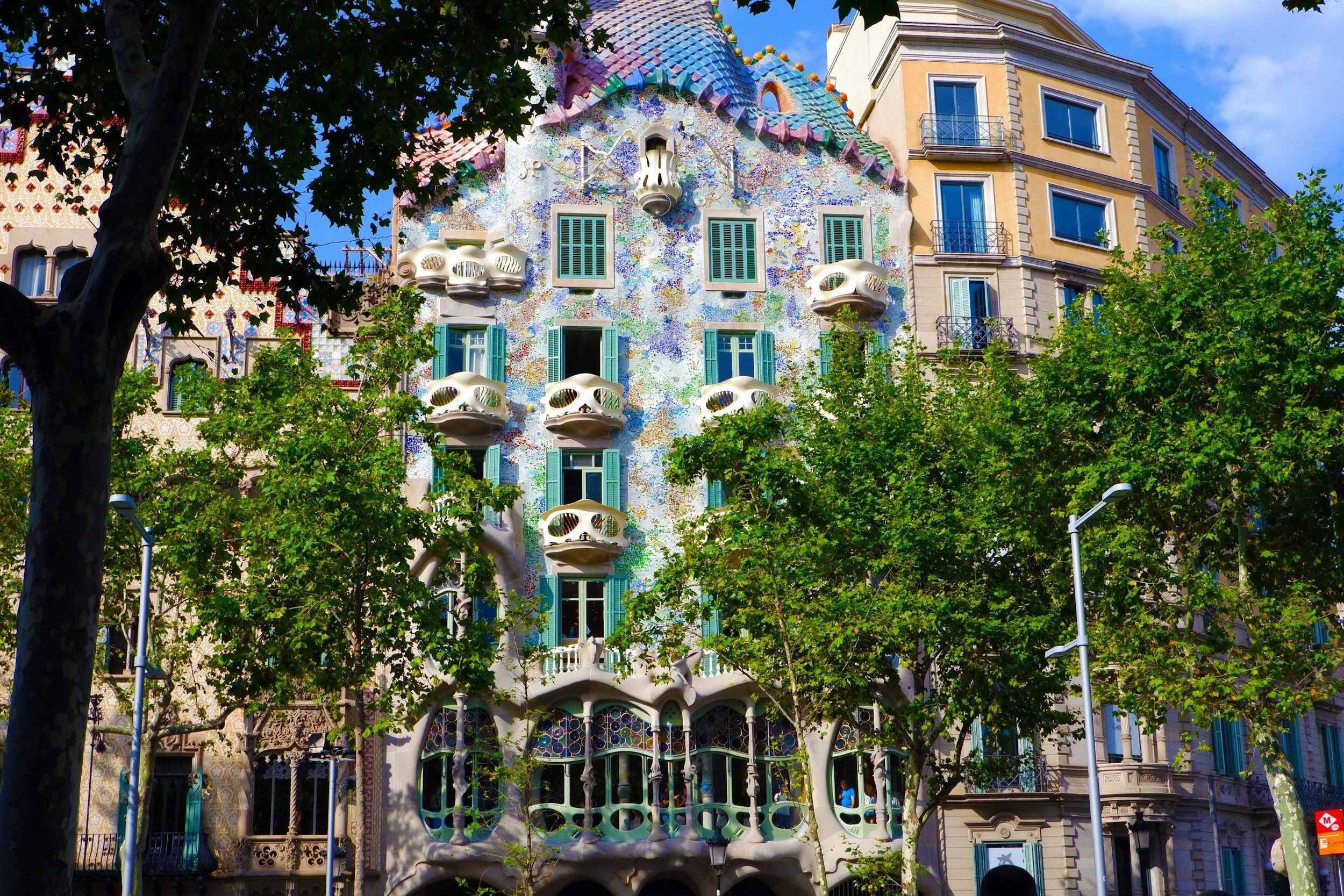
One of Antoni Gaudí’s most recognizable works and a defining example of Catalan Modernist architecture. Located along Passeig de Gràcia, the building’s flowing facade, colorful ceramics, and skeletal balconies create the appearance of a structure inspired by nature and mythology.
Inside the house, Gaudí’s design continues with curved walls, sculptural staircases, and innovative lighting that allows natural light to flow through the building. Every room reveals details that blend function with artistic expression.
Modern exhibits and immersive spaces, including the Gaudí Cube digital installation, help visitors understand the inspiration and engineering behind this architectural masterpiece.
Highlights include:
Organic architectural design inspired by nature
Colorful ceramic facade and sculptural balconies
Innovative interior lighting and ventilation
Immersive digital exhibits explaining Gaudí’s work
Klook Barcelona Pass
The Klook Barcelona Pass provides bundled access to several of the city’s most popular attractions while simplifying ticket planning. Instead of purchasing individual tickets for each site, visitors can select a set number of attractions and schedule them through a single pass.
This option is particularly useful for travelers planning to visit multiple Gaudí landmarks and major museums during a short stay. It also reduces the need to wait in ticket lines at several locations.
Highlights include:
Access to major attractions such as Sagrada Familia and Park Güell
Flexible selection of multiple attractions within one pass
Digital ticket access through the mobile app
Convenient option for structured sightseeing itineraries
Efficient Tips for Short Stays in Barcelona
If you are visiting Barcelona for two to three days, structuring your itinerary carefully helps avoid unnecessary travel across the city.
Stay in the Gothic Quarter or Eixample for walkable access to major landmarks.
Visit Sagrada Familia early in the morning or later in the afternoon to avoid peak crowds.
Group Gaudí attractions on the same day to minimize travel time.
Explore the Gothic Quarter and El Born together, since they are adjacent districts.
Visit Barceloneta Beach in the late afternoon when temperatures are cooler.
Before You Go
Download offline maps before arrival. Metro stations and some historic buildings may have a weak signal.
Activate your Airalo eSIM before departure so mobile data works immediately upon landing.
Confirm airport transfer or Aerobus plans in advance.
Pre-book Sagrada Familia and Park Güell tickets to avoid long queues.
Wear comfortable walking shoes since Barcelona’s historic districts require extensive walking.
Carry a reusable water bottle for sightseeing days.
Screenshot your accommodation address to simplify taxi communication.
Practical Travel Tips
Travel Insurance
Spain does not require travel insurance for short-term visits within the Schengen Area, but coverage is recommended for medical emergencies and trip disruptions. EKTA provides suitable insurance plans for European travel.
eSIM and Mobile Connectivity
Barcelona relies heavily on digital maps, attraction tickets, and ride-hailing apps. A prepaid eSIM is the simplest solution for short stays. Airalo offers Spain and Europe regional data packages that activate instantly once installed before arrival.
Flight Delays and Compensation
If your flight to Barcelona is delayed or canceled, you may be entitled to compensation depending on your airline and route. Services like Compensair help travelers check eligibility and submit claims without handling the paperwork themselves.
Luggage Storage in Budapest
If you arrive before hotel check-in or have a late departure, storing your luggage near the city center or main train station can make the day more efficient. Services such as Radical Storage offer short-term luggage storage locations across central areas and transport hubs.
